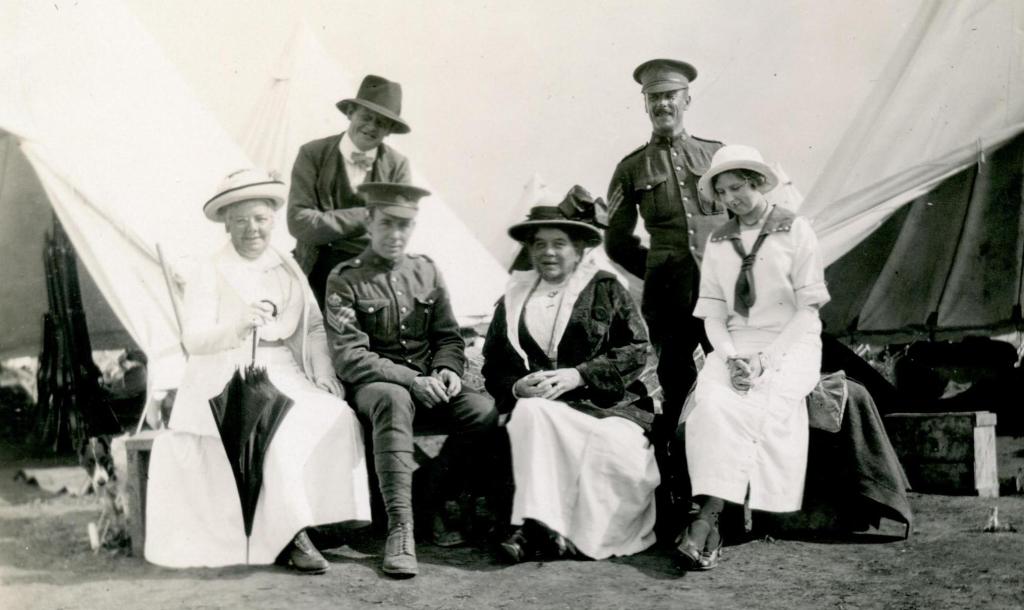
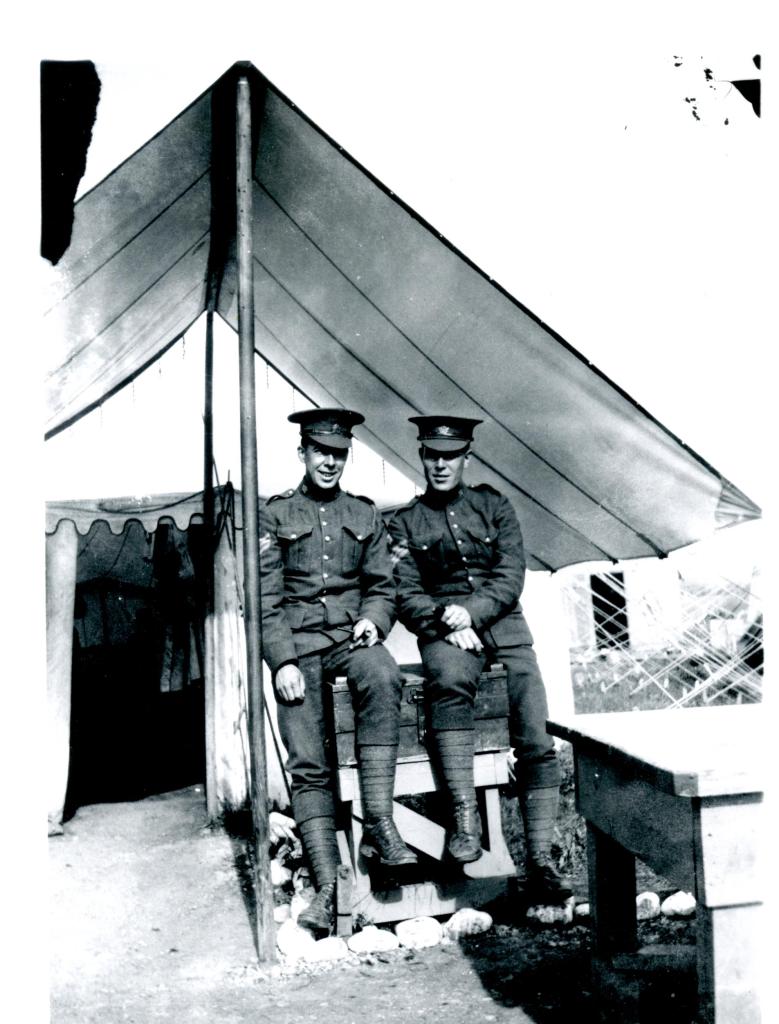
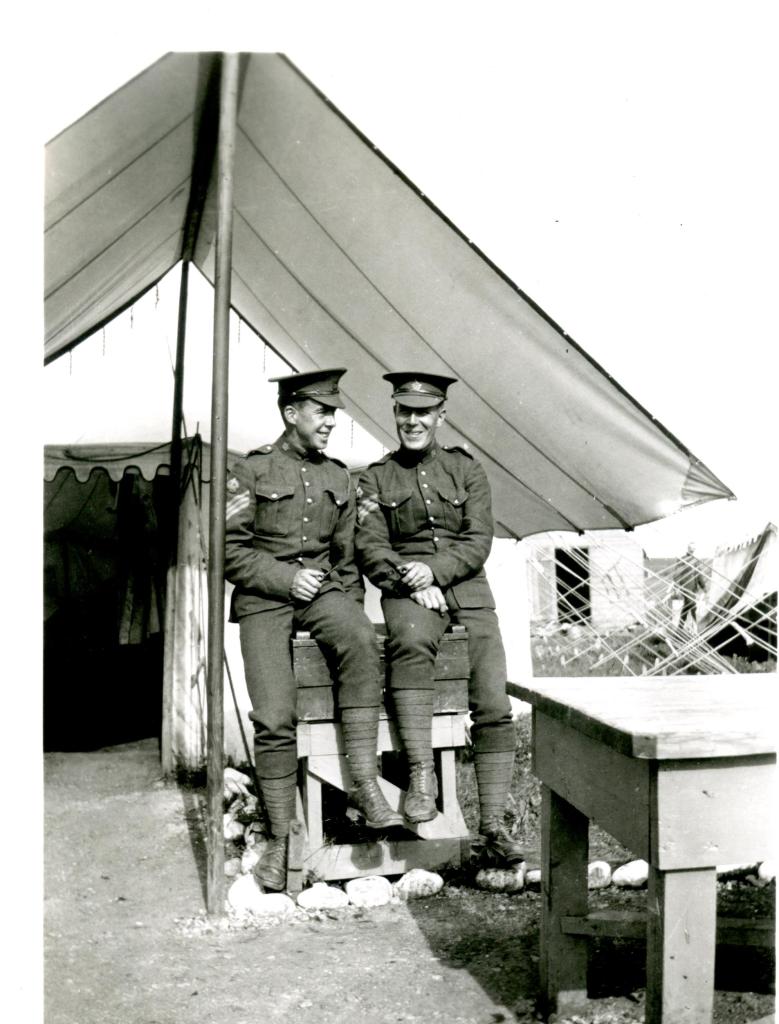
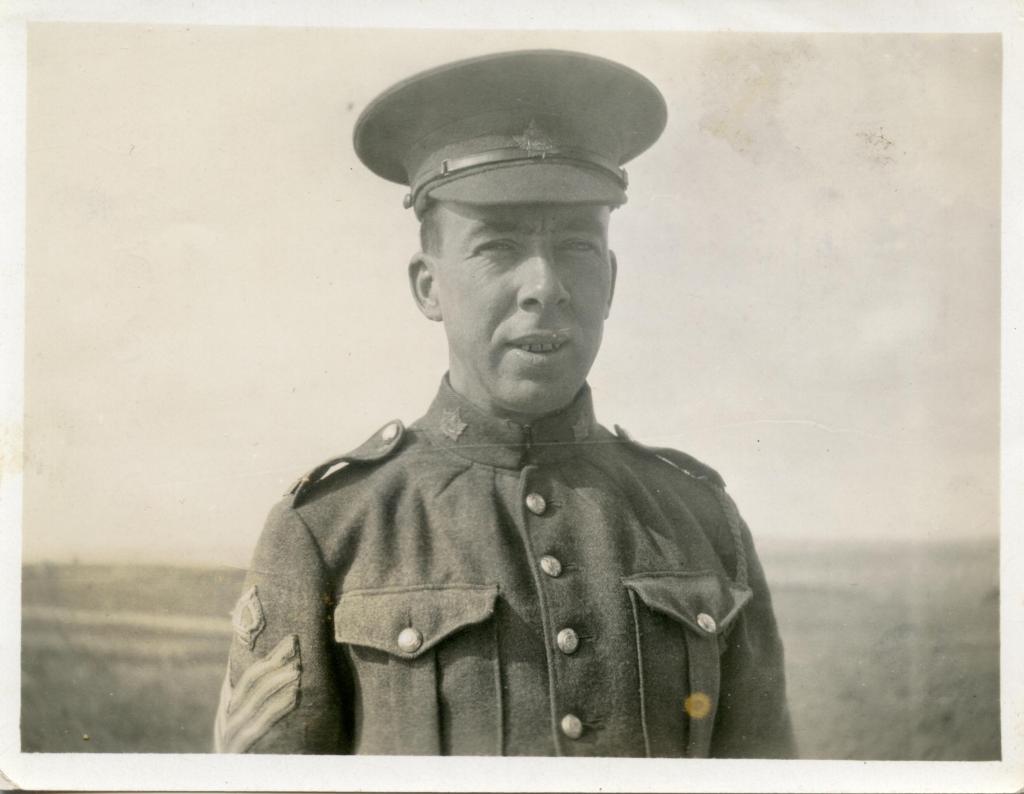
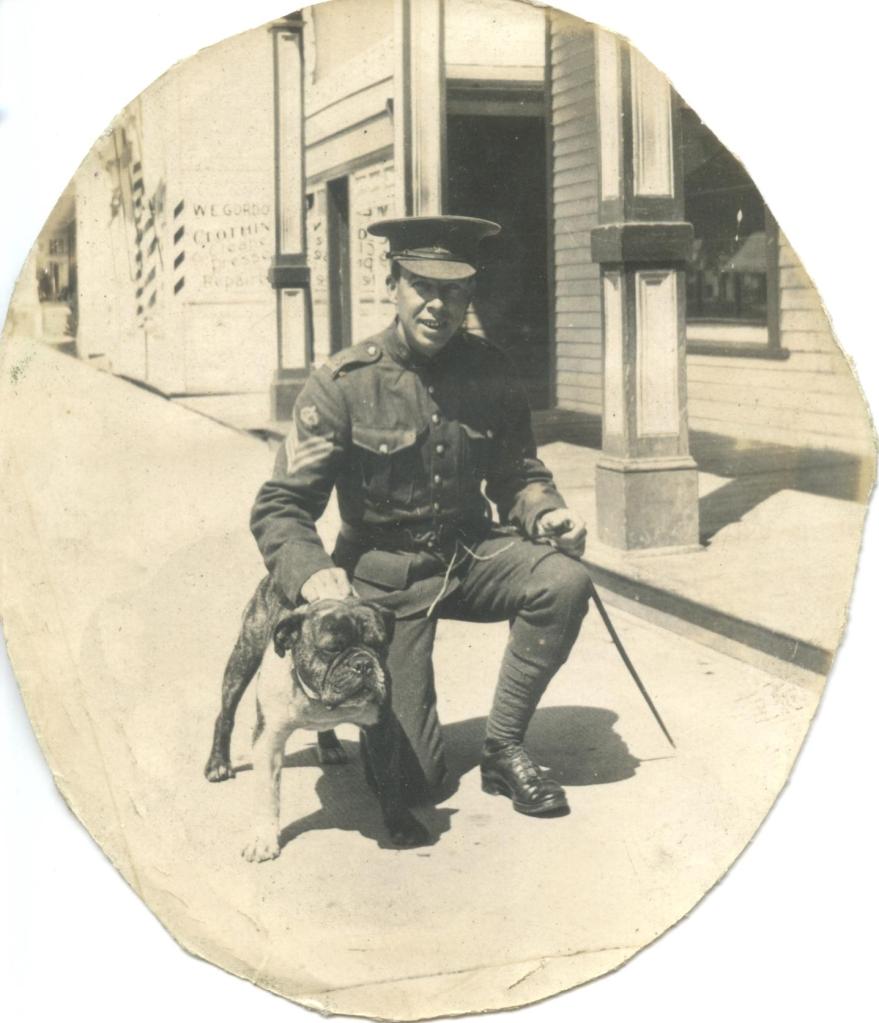
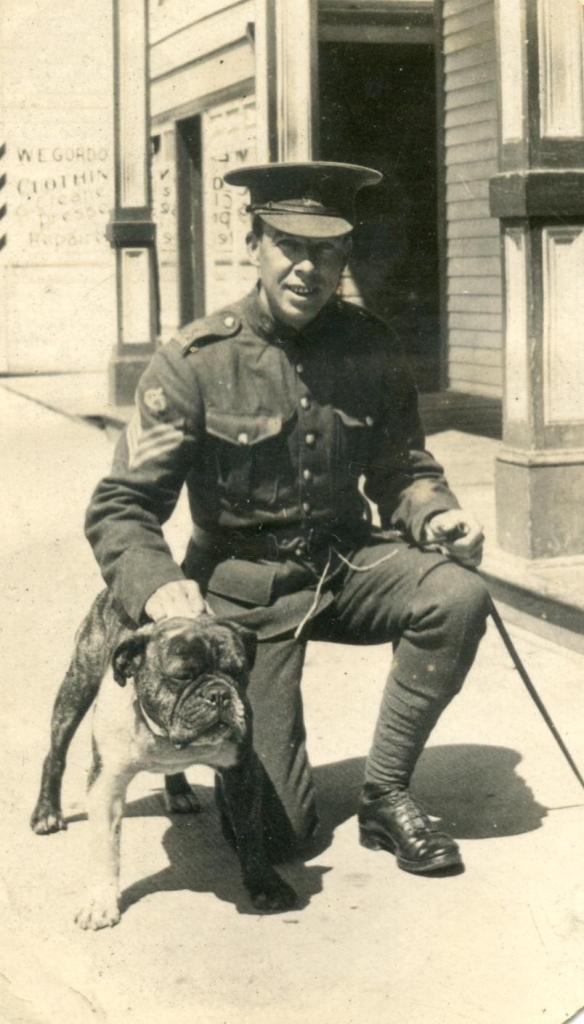
In November 2013 I posted an article of a Company Sergeant-Major in the 50th Battalion CEF identified only as “Jack”. I published two photos of the soldier and speculated on who it might be. Over the years there have been several comments however a few weeks ago Garrett Lapp posted one identifying Jack as 434109 CSM John Thomson MacCallum DCM. The identification was based on a named photograph in the Glenbow Archives. I agree that the CSM Sergeant identified in the photo as J T MacCallum is our man so thank you Garrett!
Although the military recorded his surname as “MacCallum” it was in fact “McCallum”. This correction was verified by his father in documents held by the Commonwealth War Graves Commission. He also had two middle names, Thomson (sometimes “Thompson”) and McPherson however I’ll refer to him as “Jack” as this was undoubtedly his nickname.
Jack was born in Larark, Scotland on November 2, 1881 and emigrated to Canada in July 1908. A passenger list identified him as a farm labourer heading to Regina, Saskatchewan. On arrival he applied for a Homestead Grant which he eventually received in April 1912. In 1911 he was working on his brother’s farm outside Regina along with his sister-in-law and nephew.
By 1914 Jack was in Calgary where he had been drilling with the Army Service Corps but on December 31, 1914 he enlisted with the 50th Battalion CEF. On July 3, 1915 he married Esther Ruby Smith in Calgary and Jack’s service file contains documents that show she would later follow her husband to England.
On October 27, 1915 the 50th Battalion CEF boarded the SS Orduna and on the same day Jack was confirmed as a Sergeant. The battalion sailed to England, disembarking in Plymouth on November 4. In July 1916 the departure of an Acting CSM provided an opening and on July 4 Jack was appointed and confirmed as a Company Sergeant Major (Warrant Officer Class II).
The 50th Battalion landed in Le Harve, France on August 11, 1916 and were in frontline trenches by the beginning of September. In October they moved to the Somme where they took part in the final phases of the battle which had been begun on July 1. On November 18 they took part in the assault on Regina Trench and suffered heavy casualties, summarized in their war diary as:
2 Officers KIA, 3 missing presumed killed, 7 wounded;
14 Ordinary ranks KIA, 15 missing presumed killed, 82 missing, 1 missing presumed taken prisoner, 91 wounded
After the Somme the 50th moved to the Vimy sector where they would take part in the preparations for the spring offensive. Jack was granted leave in January 1917 and in March he completed a two-week Regimental Sergeant Major course. However battalion losses were such that two weeks after completing his RSM course he was commissioned and appointed a Temporary Lieutenant.
On April 9, 1917 the Canadians launched their assault on Vimy Ridge. The 50th was in a support line that day however on April 10 they, along with the rest of the 4th Canadian Division, attacked the highest point of the ridge, known as Hill 145. The fighting continued for two days and was finally captured on April 12, however Jack did not survive, one of 5 officers from the 50th Battalion to be killed in action on April 10.
A week later Jack was awarded a posthumous Distinguished Conduct Medal for leading a raiding party prior to the battle. His medal citation read:
“For conspicuous gallantry and devotion to duty. He assumed command of a raiding party, steadied the men, and led them through a difficult place to their objective. His bravery and fine leadership was responsible for the success of his party.”
Jack is buried at Canadian Cemetery No. 2 Neuville St-Vaast, marked by a headstone at plot “Special Memorial 3.C.5”, one of eight graves that bears the words “Buried near this spot”.
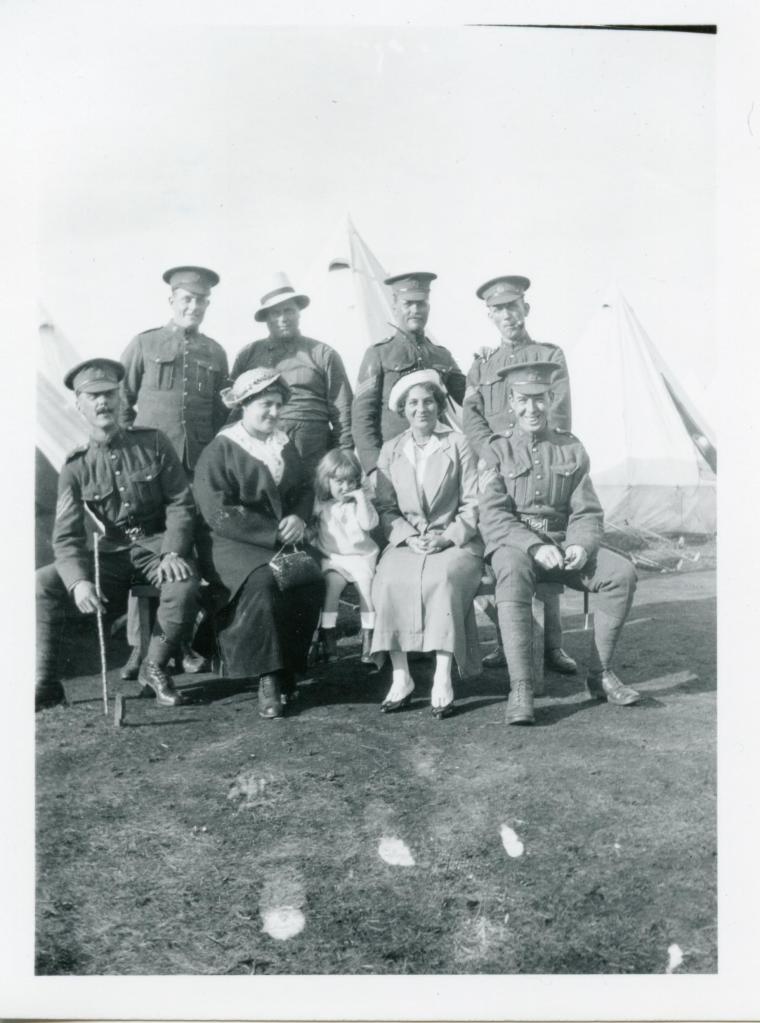
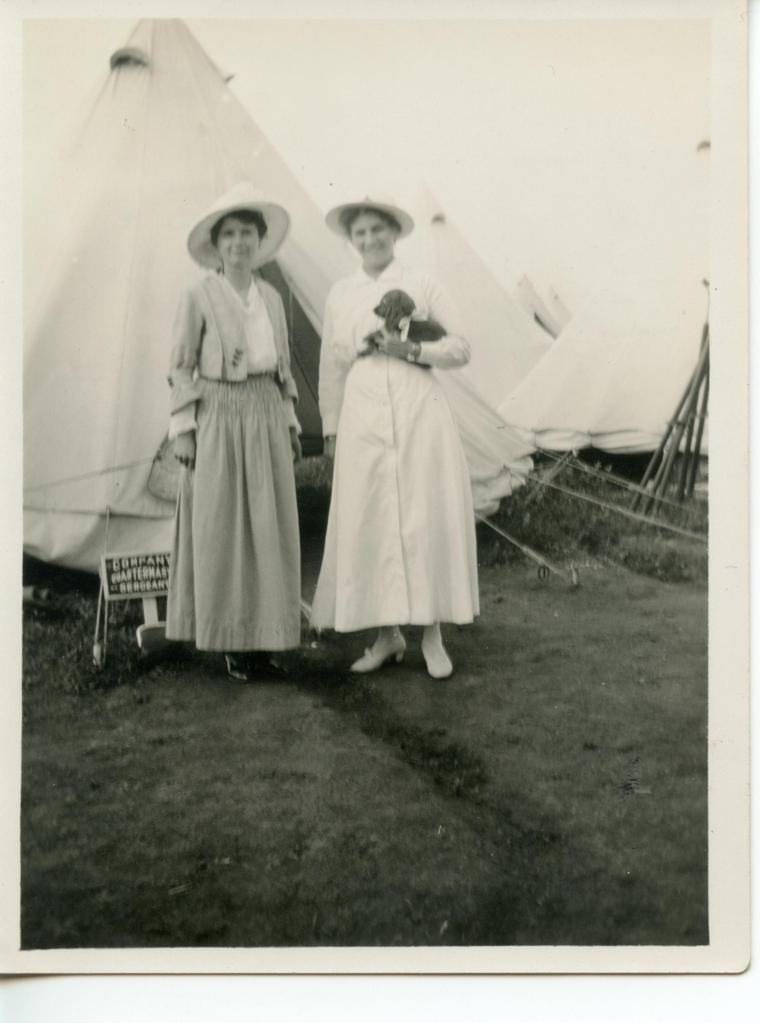
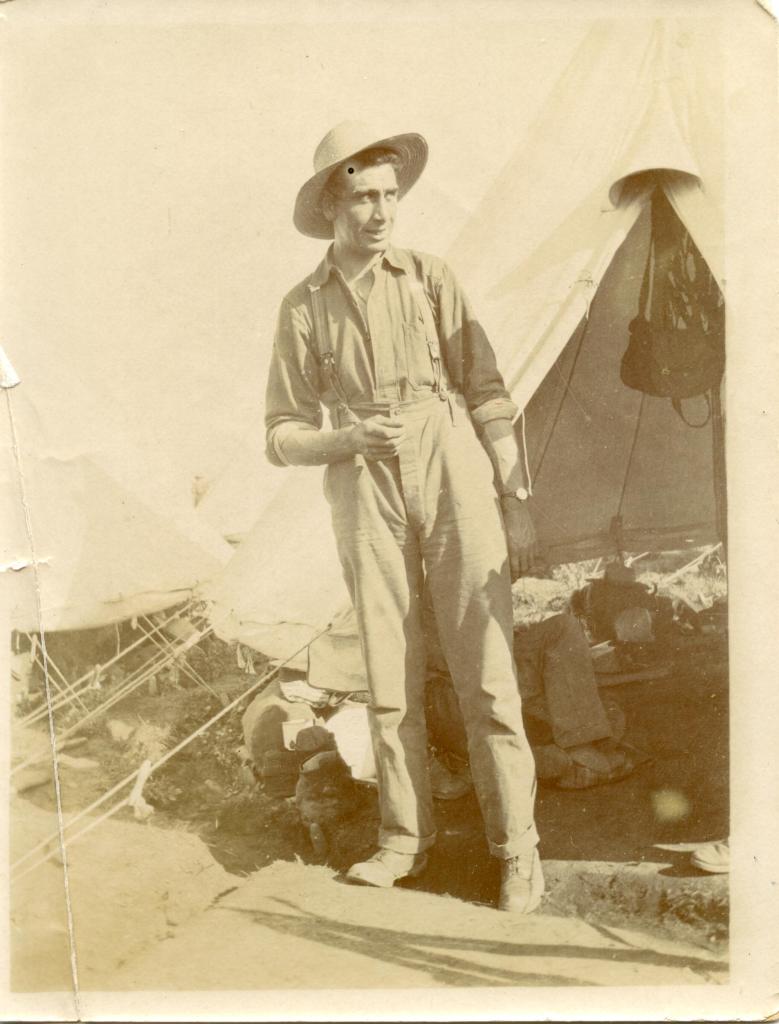
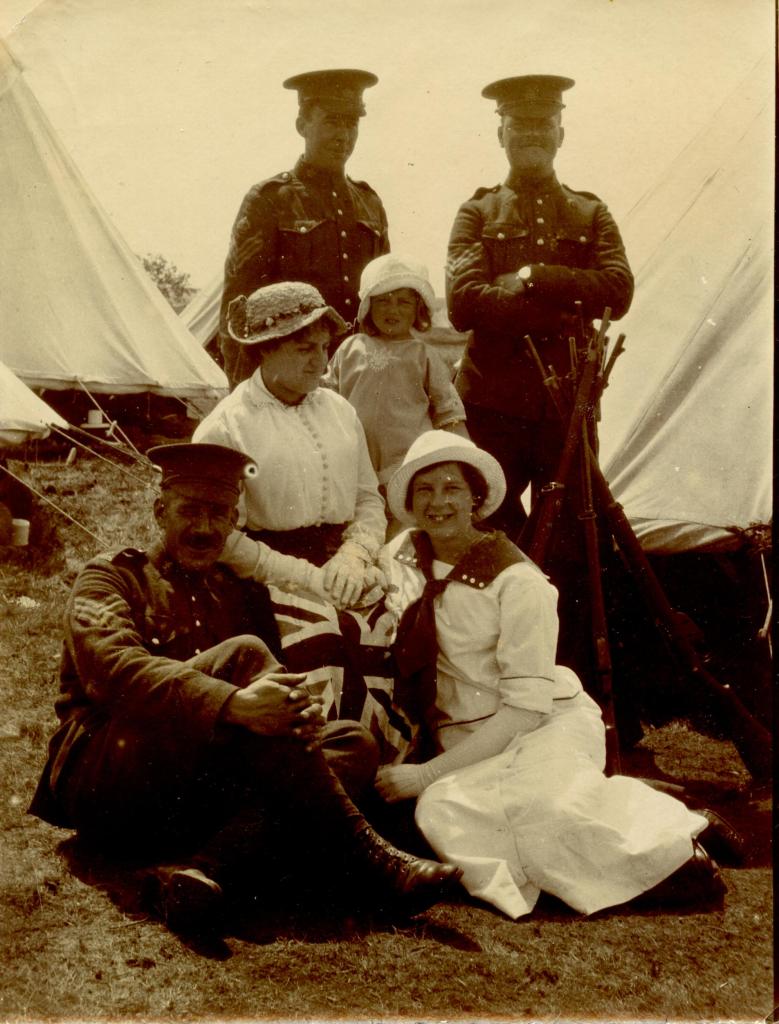
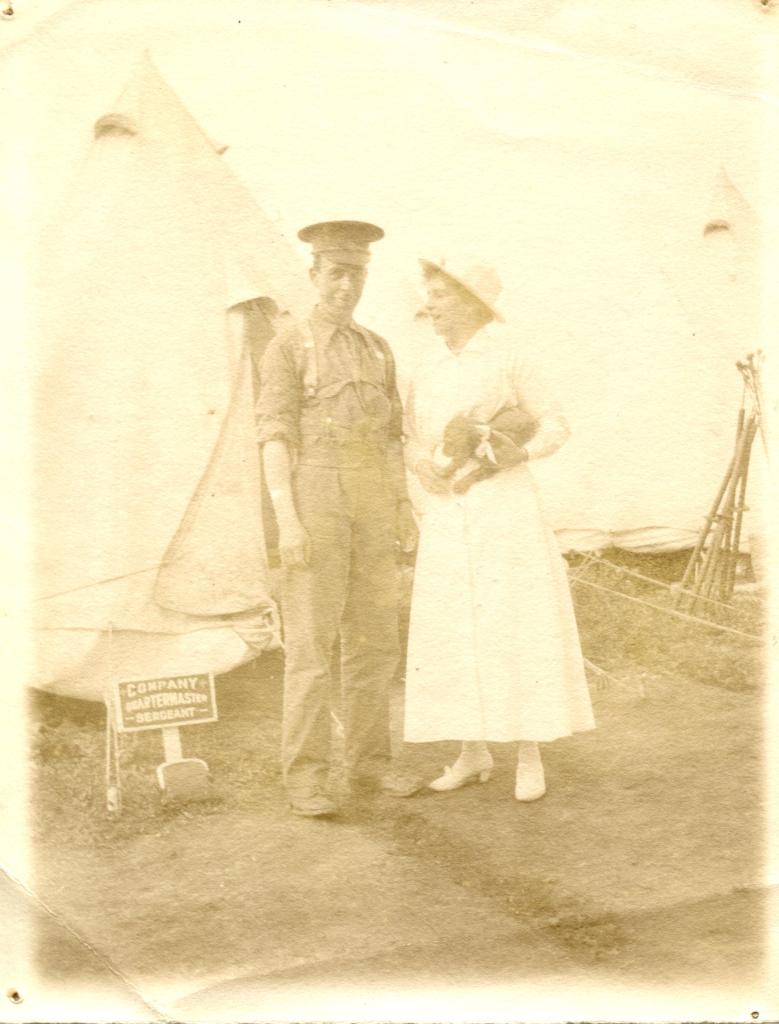
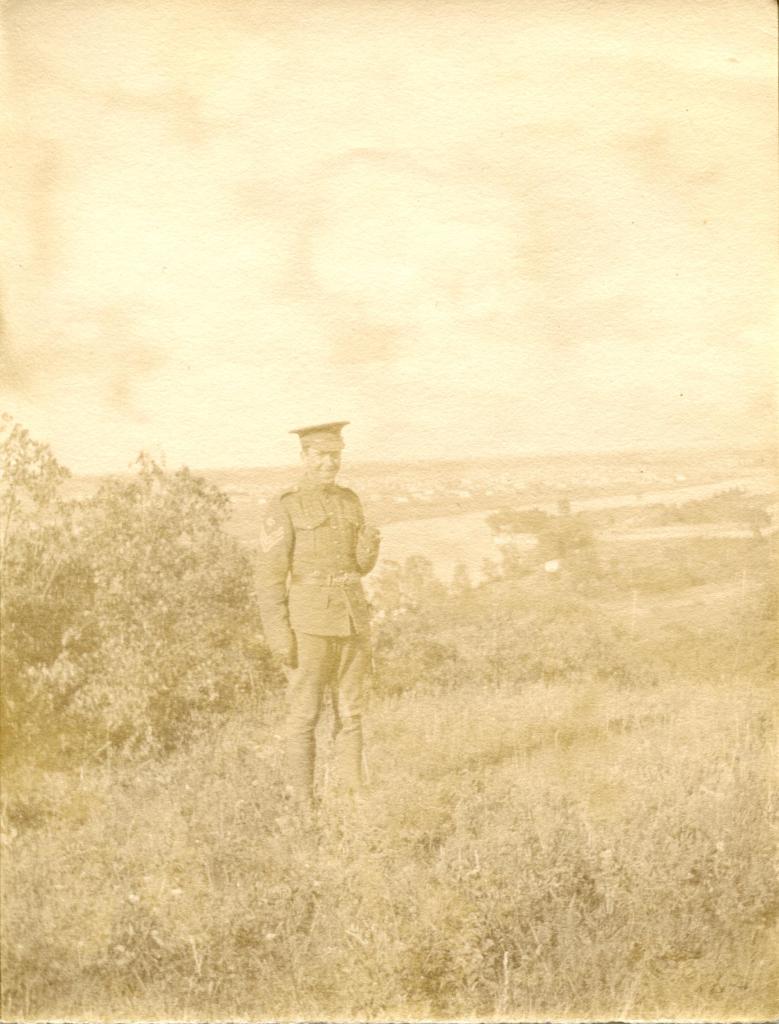
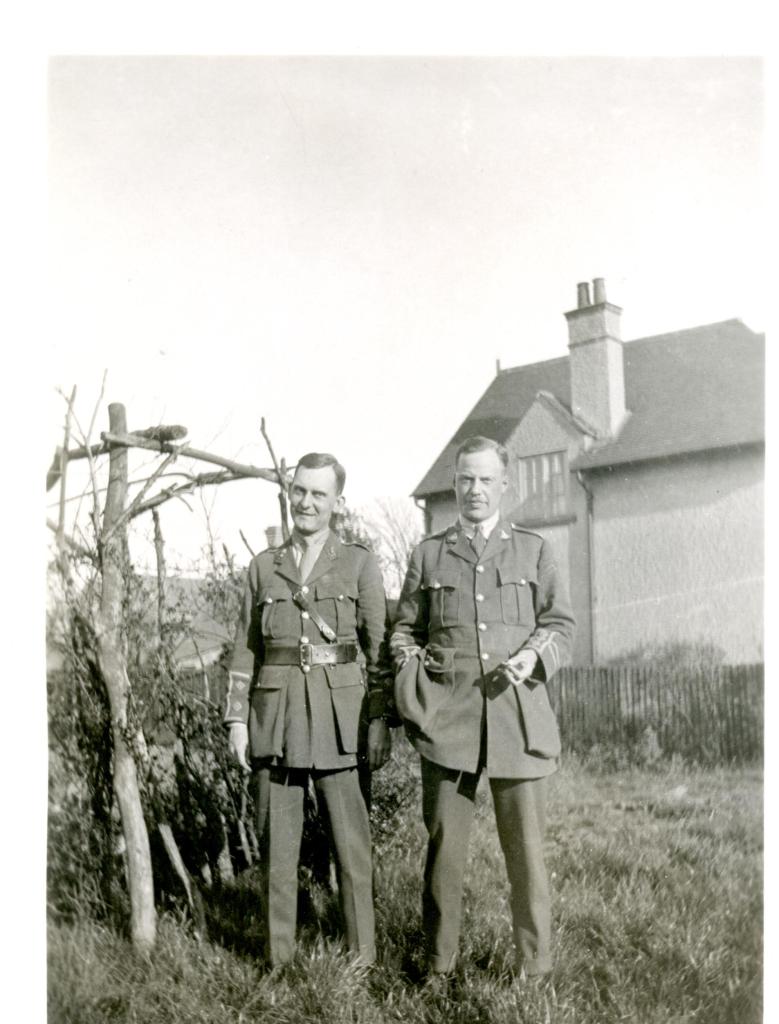
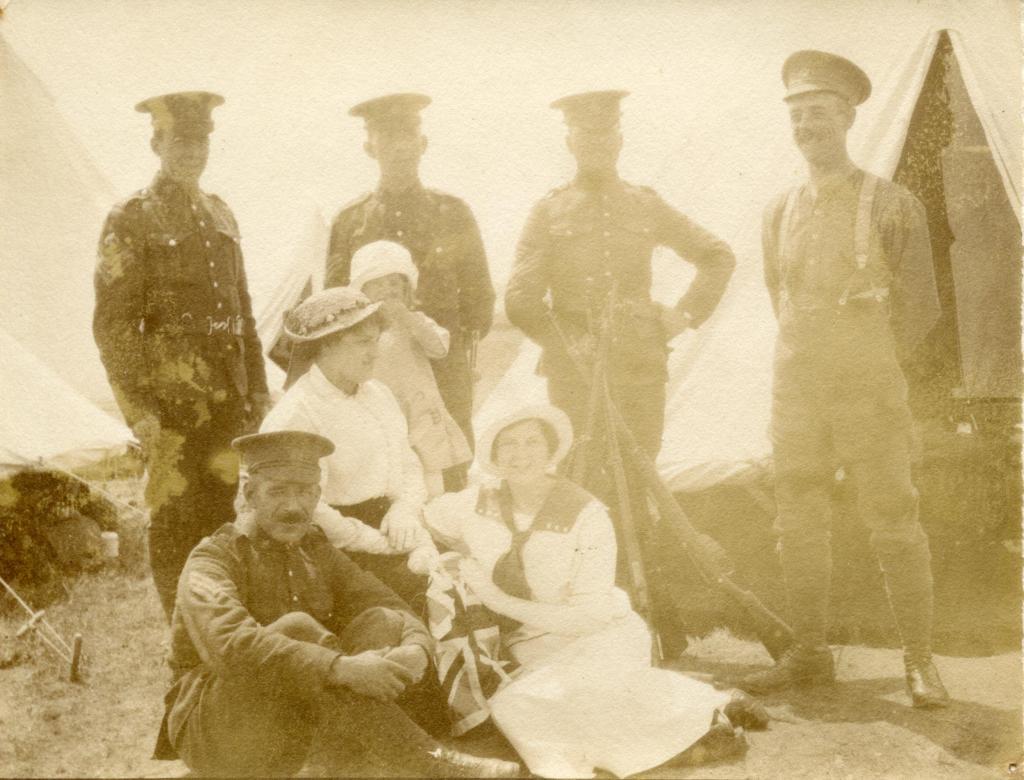
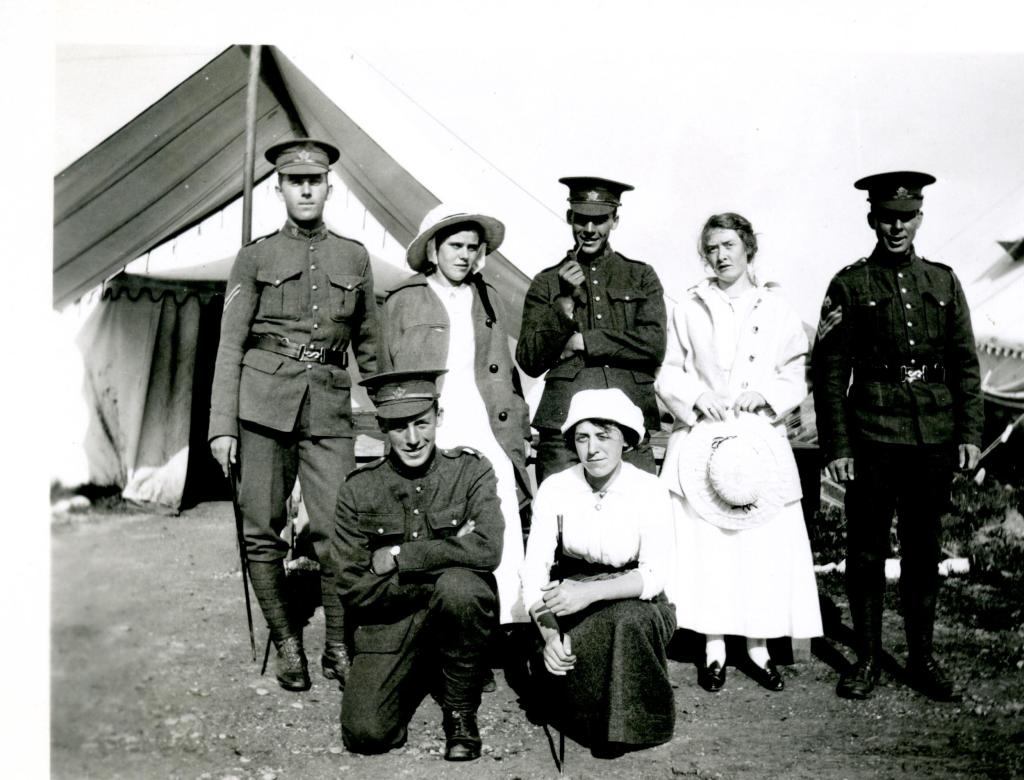
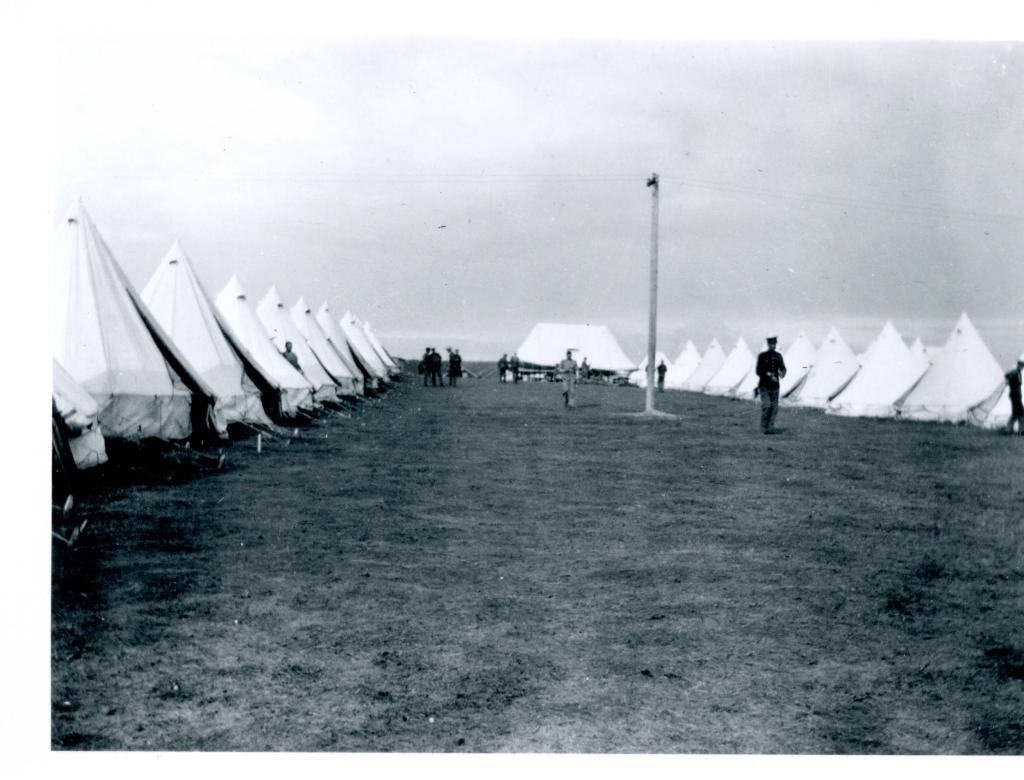
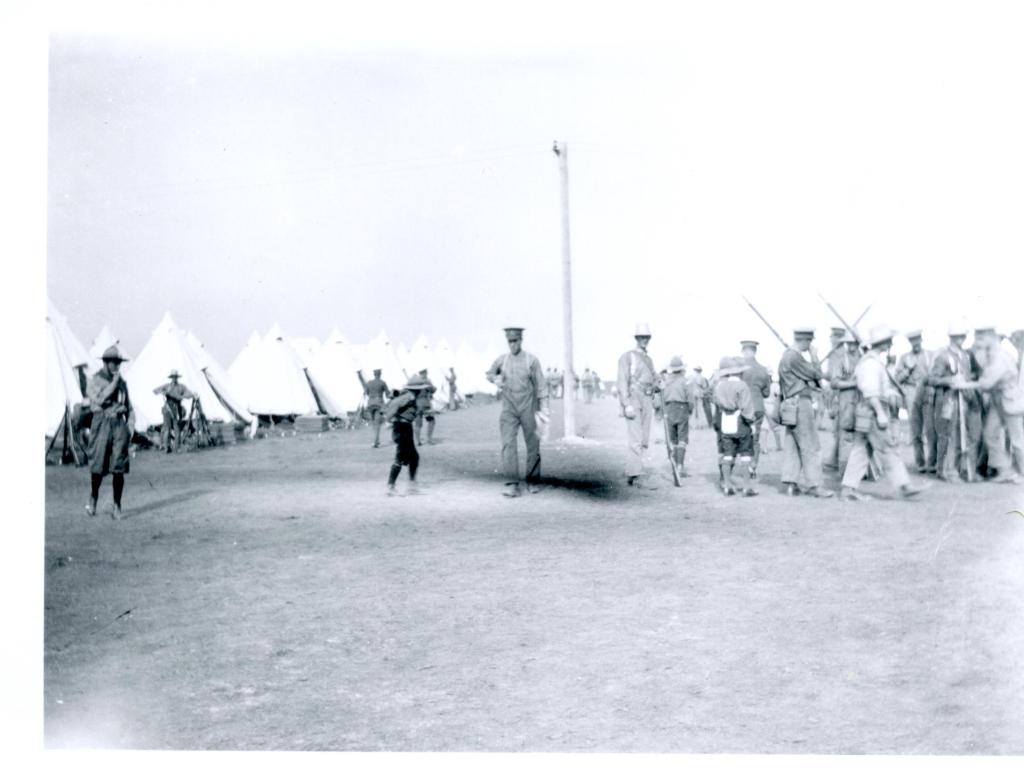
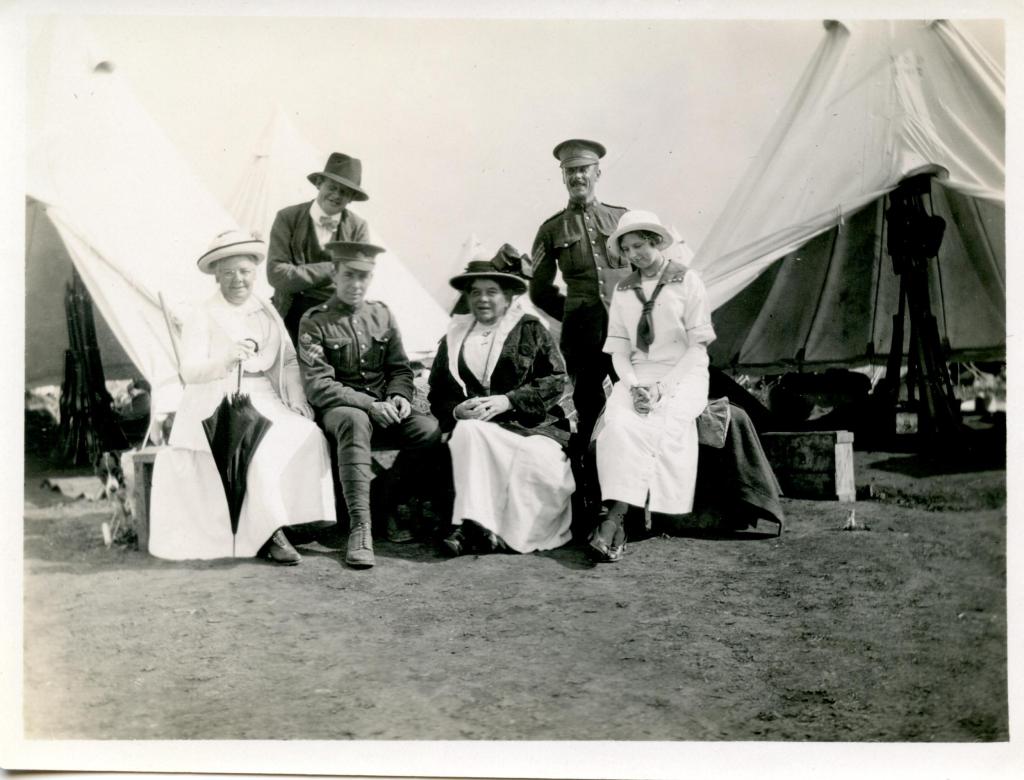
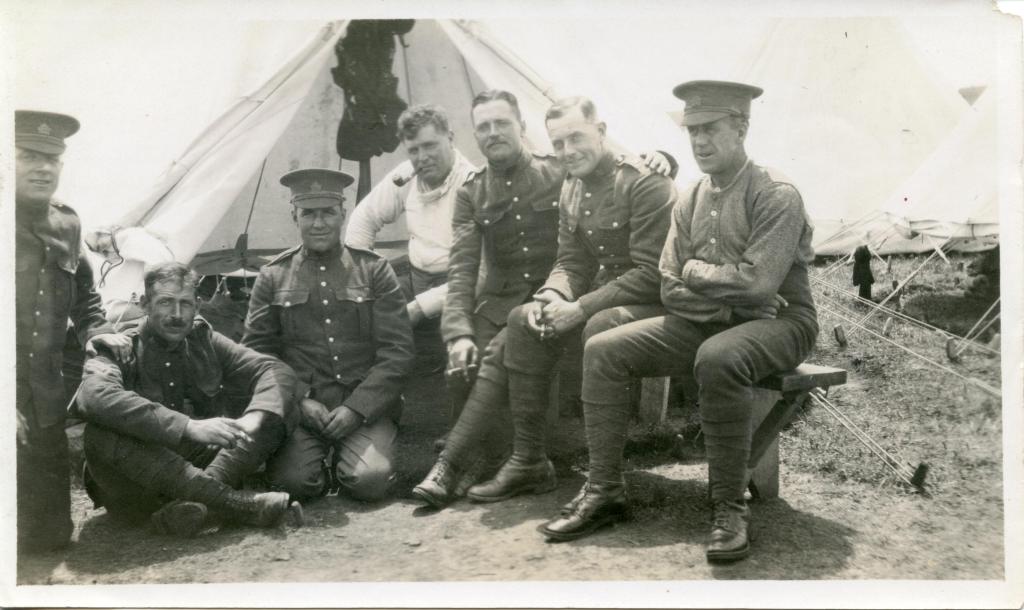
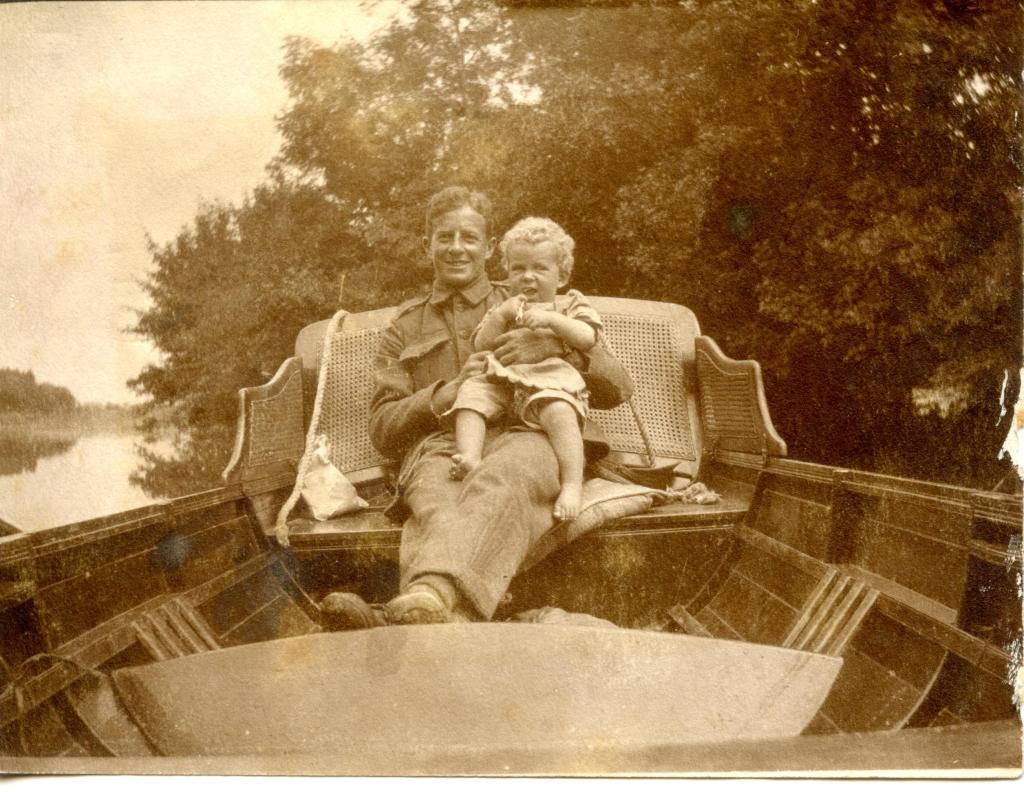
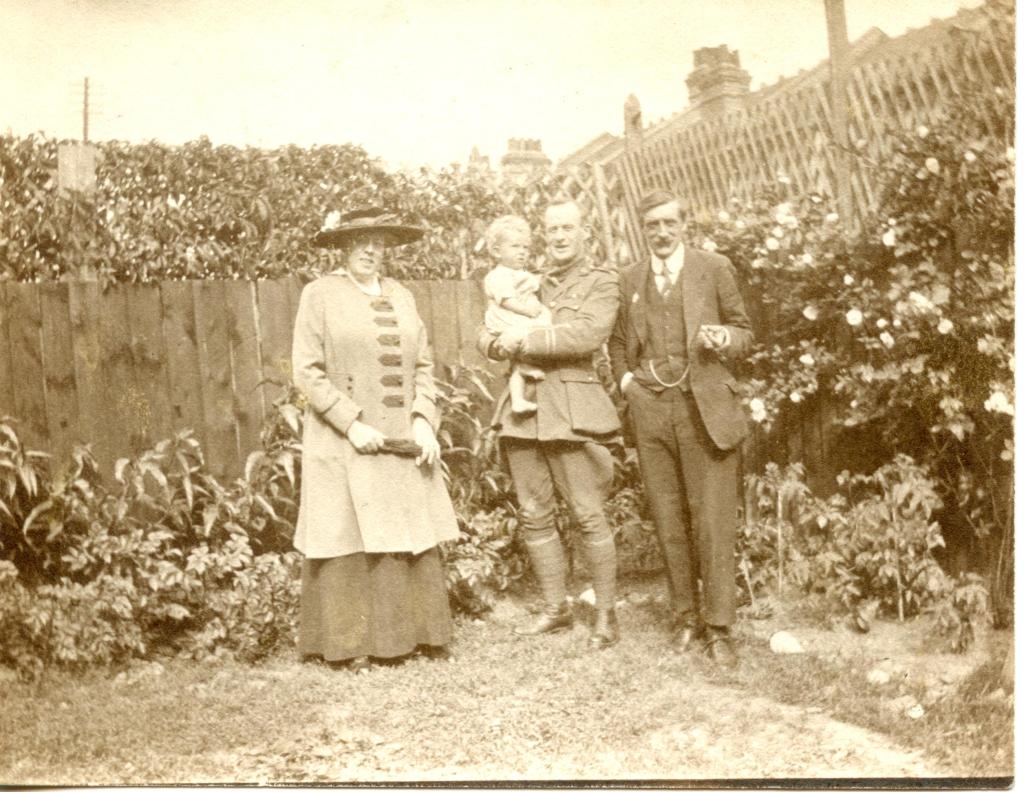
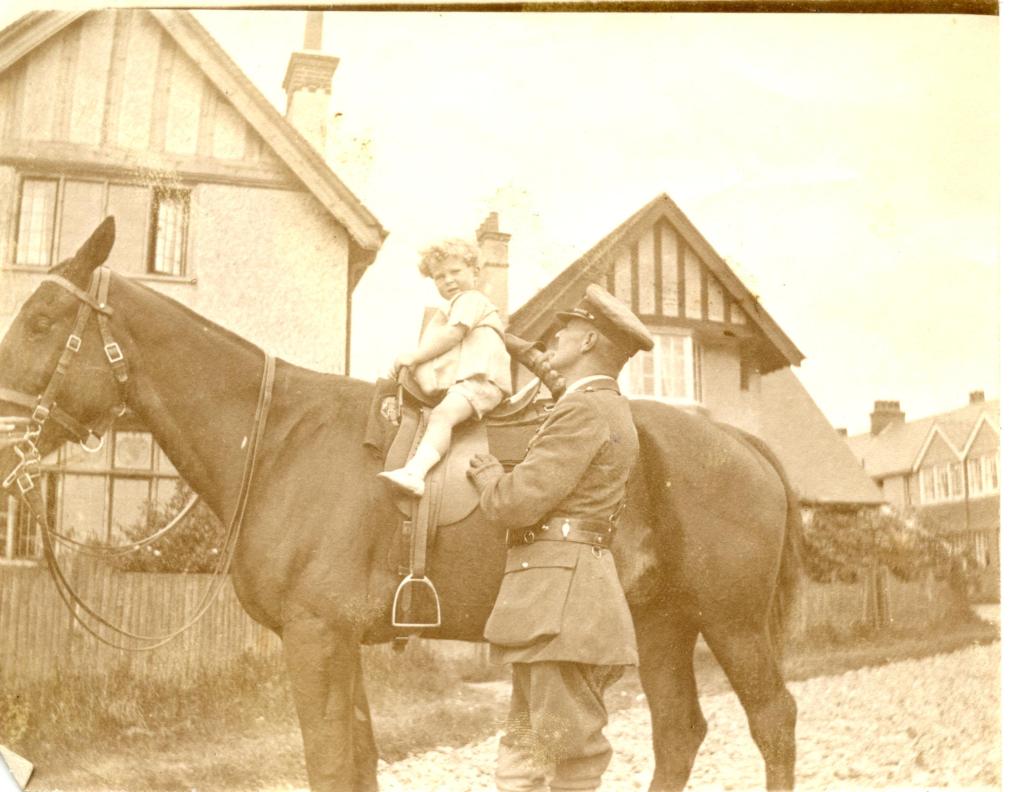
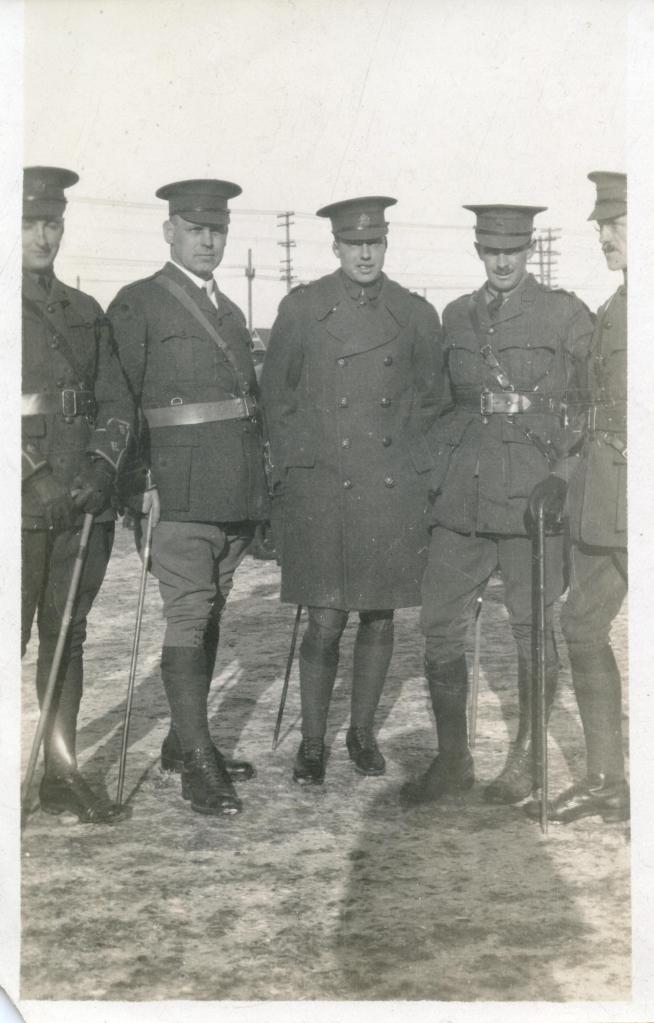
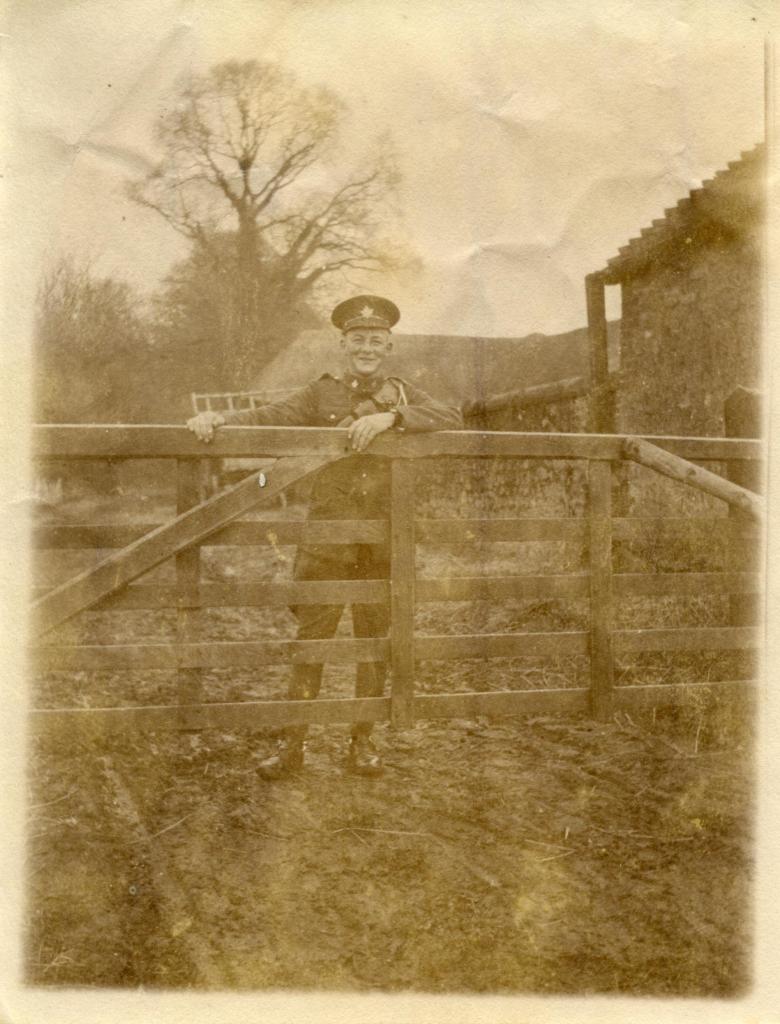
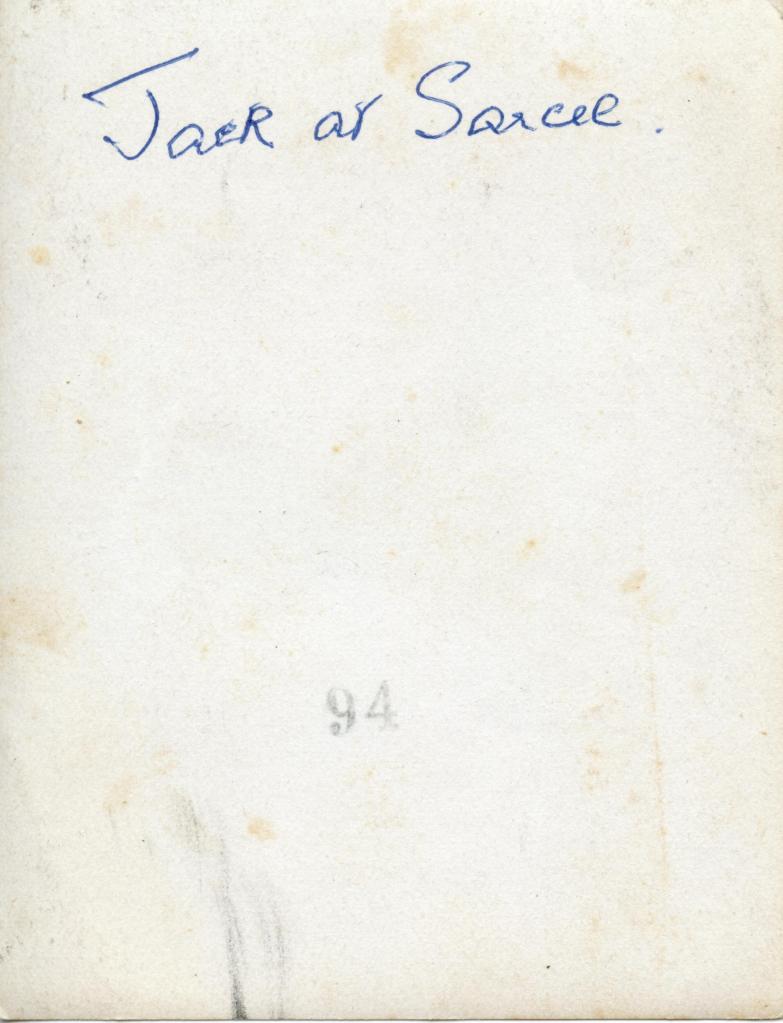
In memory of Jack I’m publishing all of the photos I have that I believe have a connection to him. One of the photos is labeled on the back “Jack at Sarcee”, however if he was promoted to Sergeant the day they boarded their ship to England then it could not have been taken in Alberta. It’s possible that some of the camp photos are of Sarcee Camp however I believe the majority were taken in Britain.
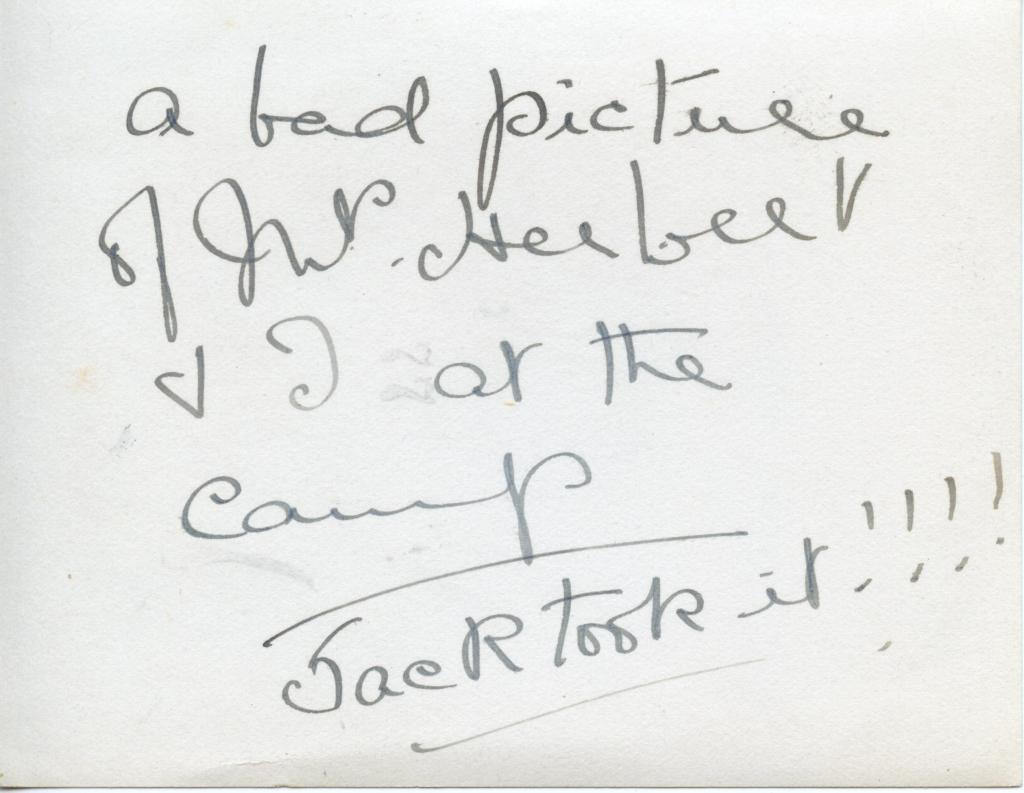
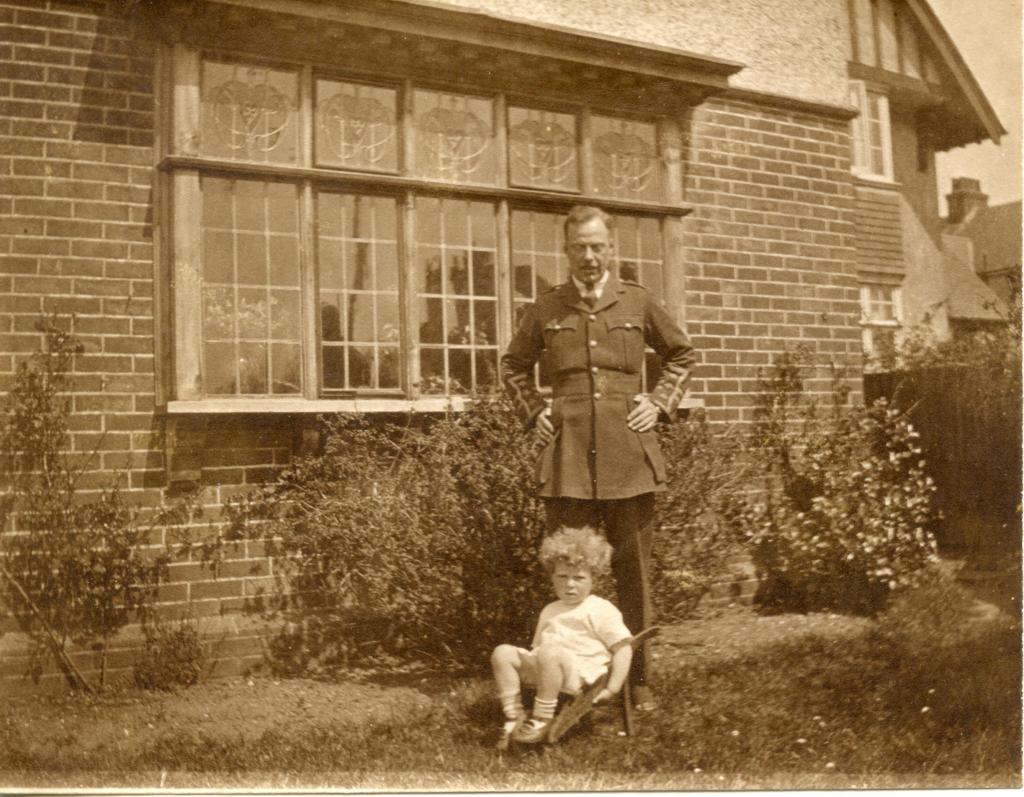
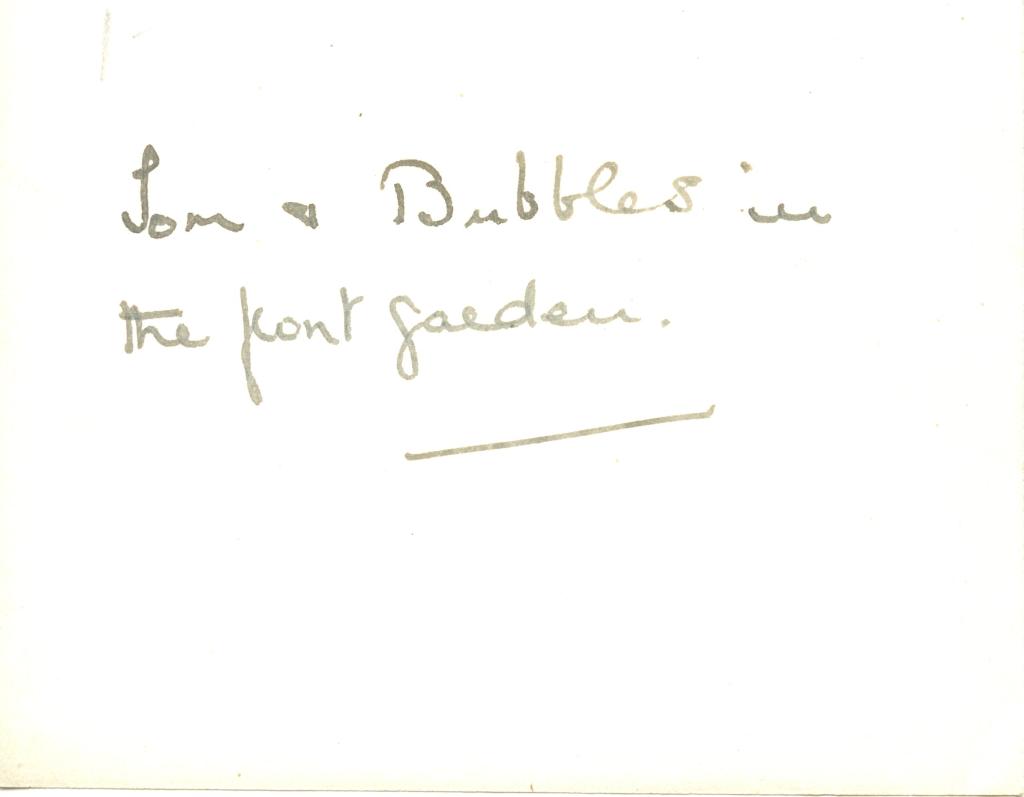
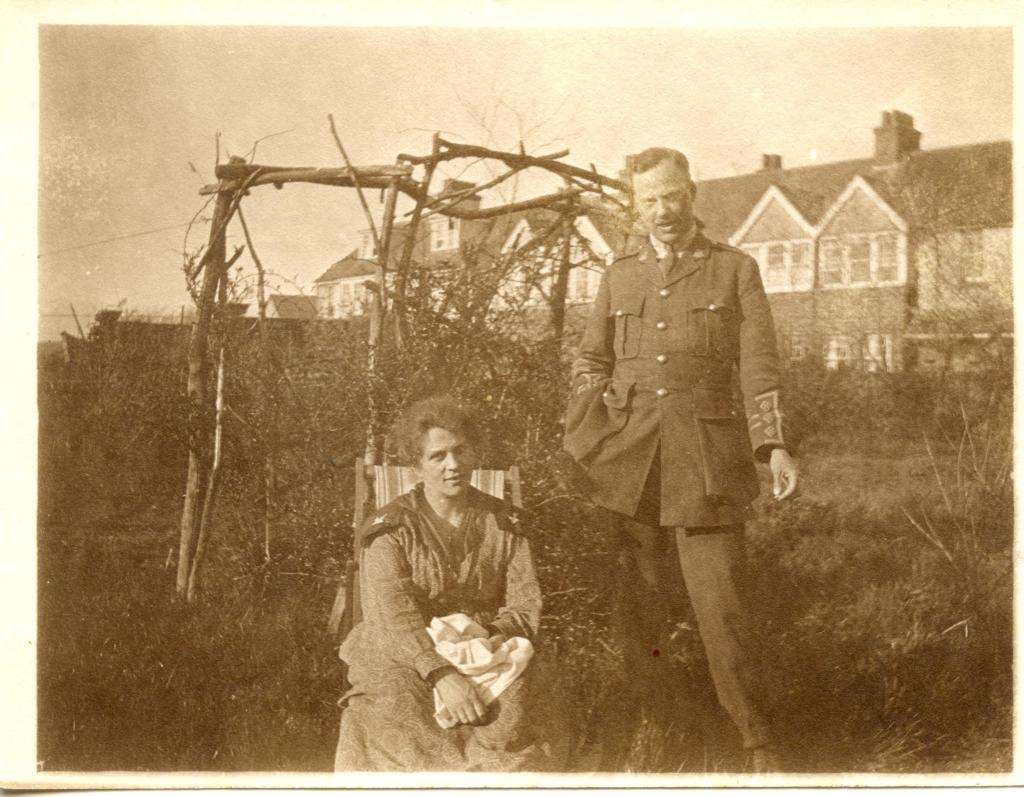
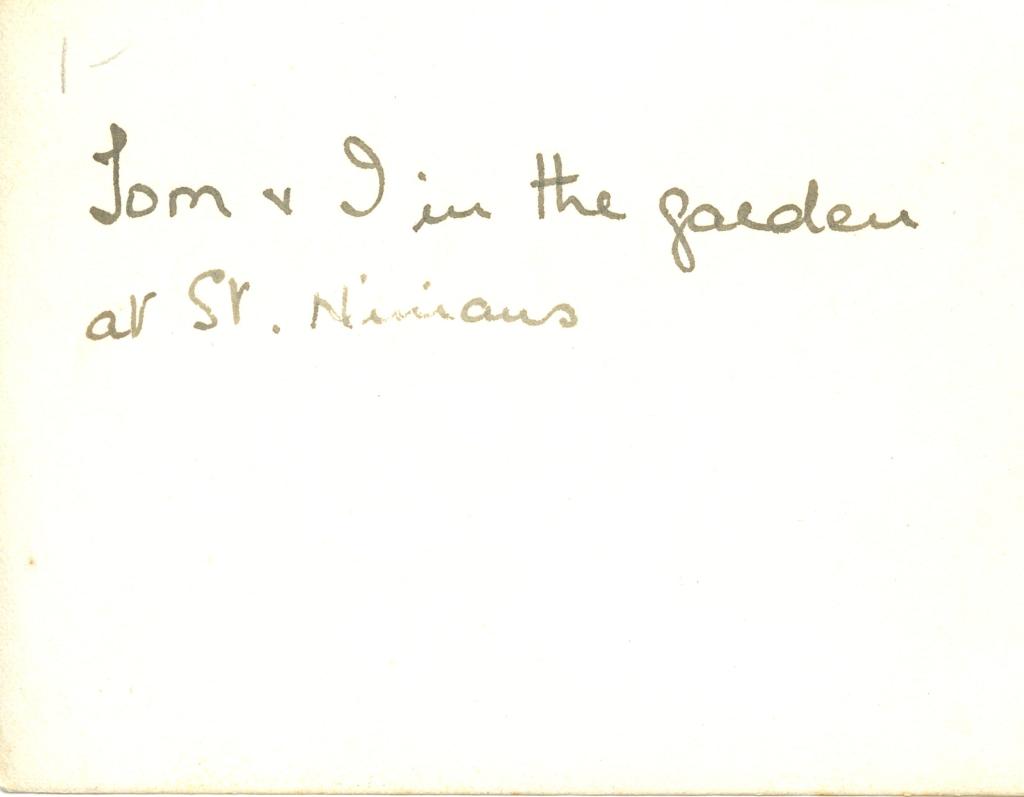
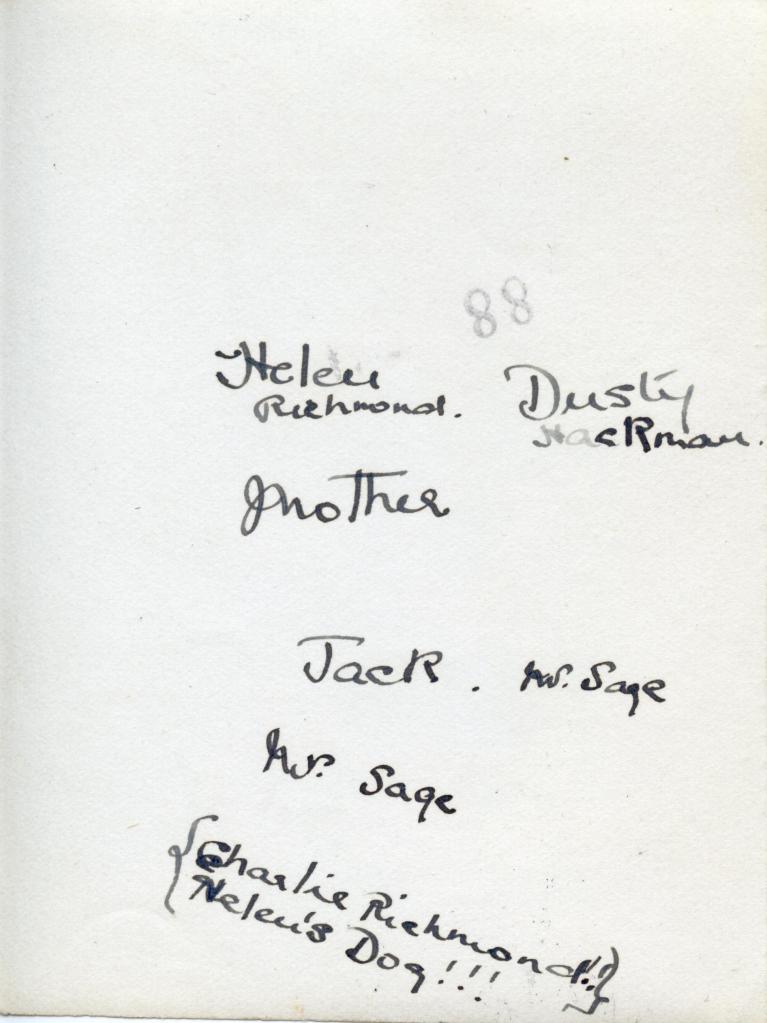
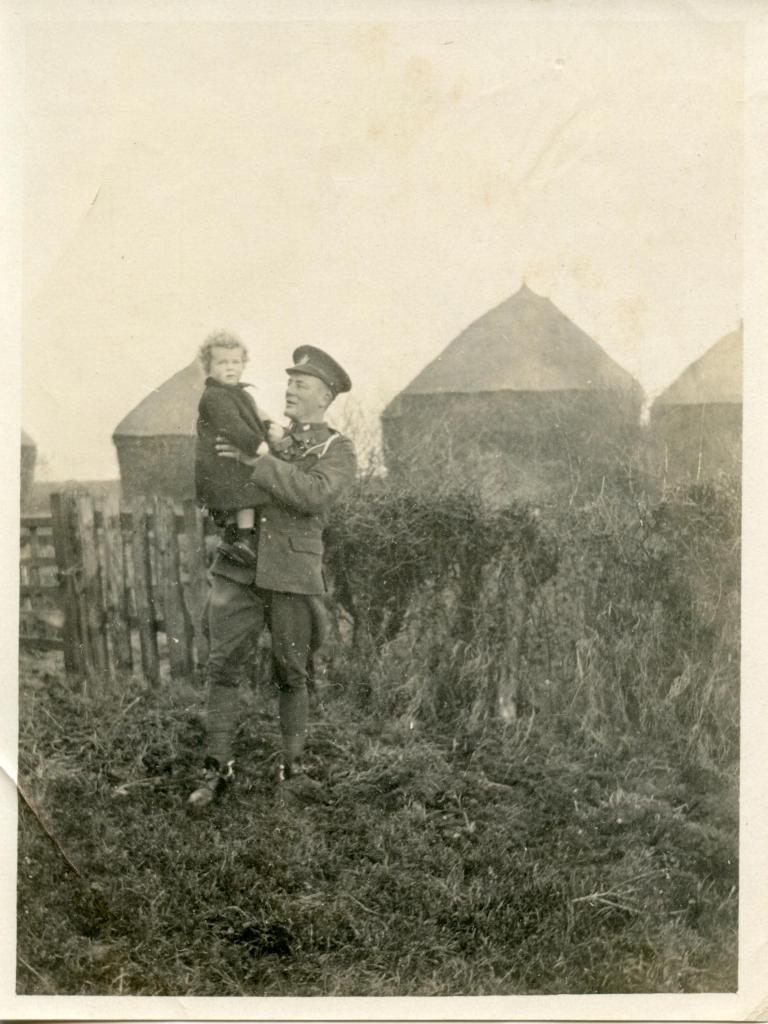
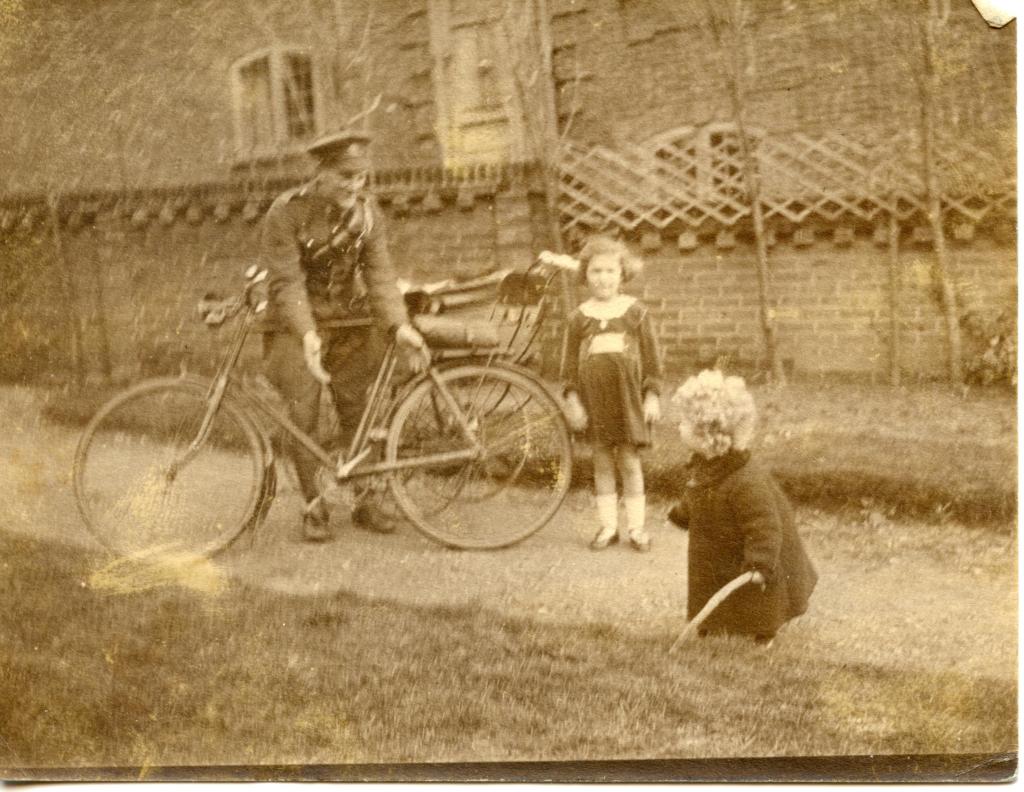
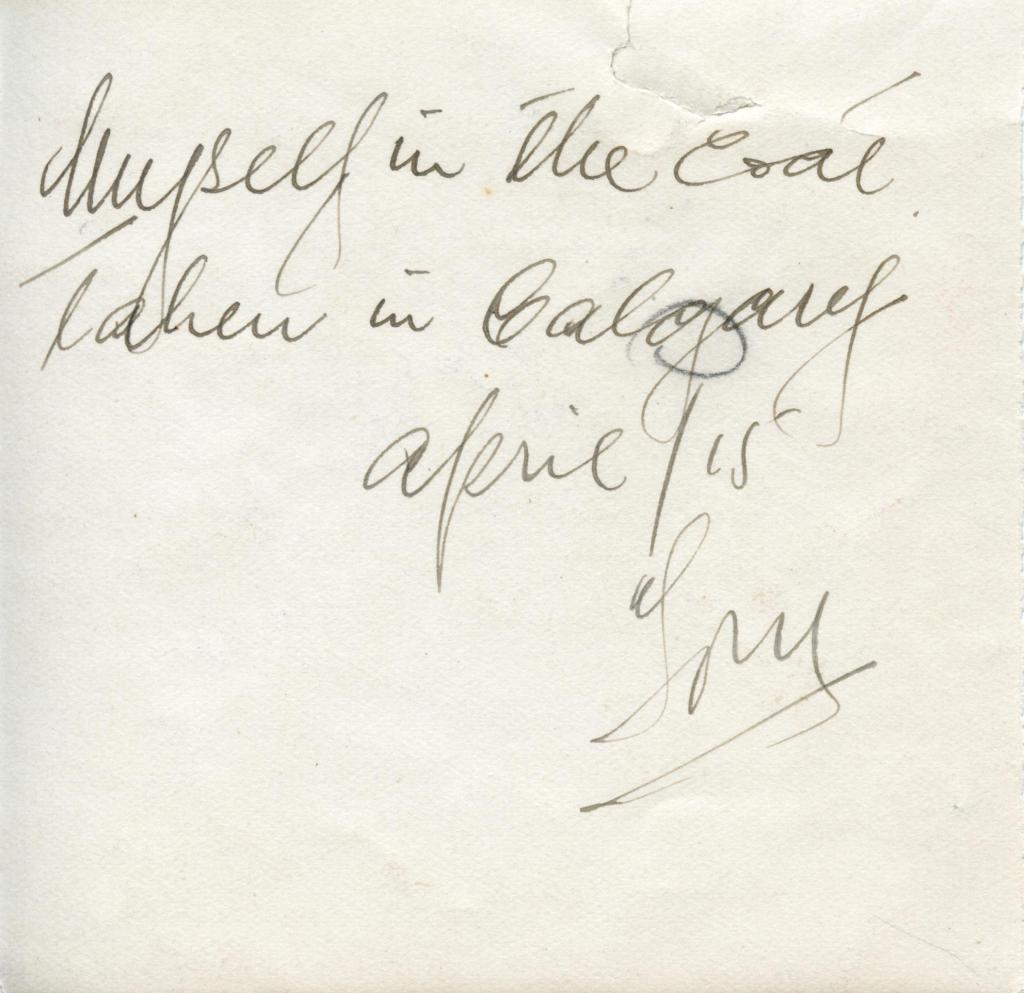
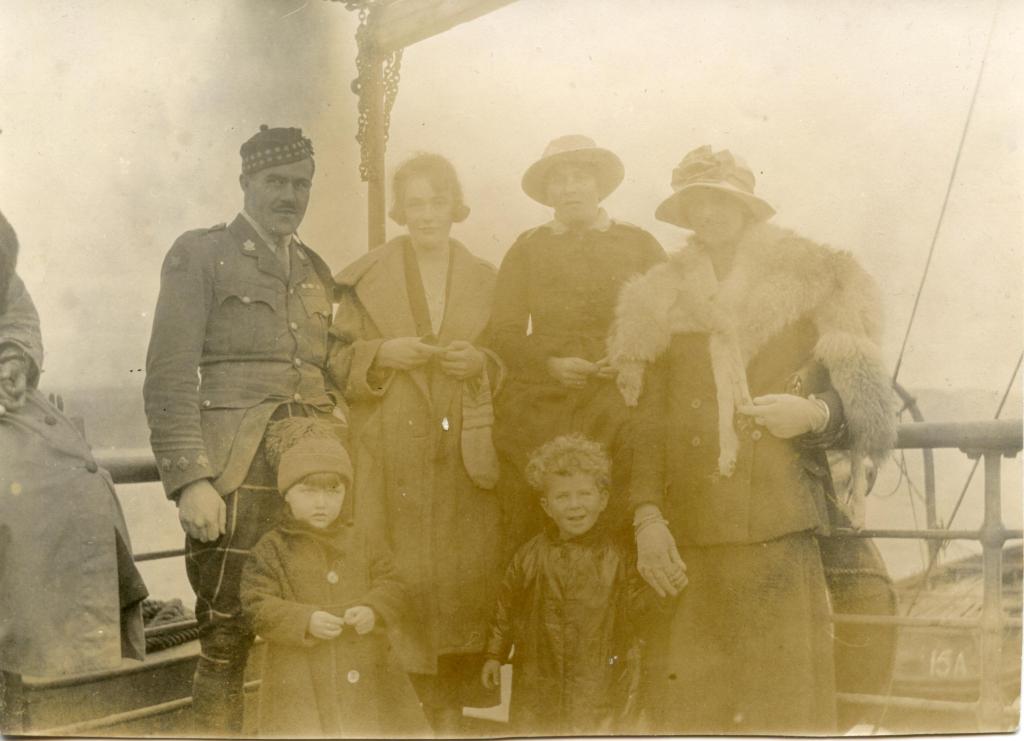
None of the photos are dated but I’ve included scans of the backs of any that contain notes. Some photos are of an officer and his family and are taken in St. Ninians, Scotland. These could be friends or relatives of Jack or Esther, or possibly another man from the 50th. Comments and theories are welcomed!
Categories: Photographs, Researching
 Doing Our Bit
Excellent news. Thanks for thinking of me. Dwight
How wonderful … your patience has paid off. Personally speaking, I know how you must feel. Thank goodness for people like Garrett 🌺
Indeed! Thanks Heather, Steve.
You have a lot of photos of him. I wonder how common it was for wives to go to England. I wonder if the small lad with the blond curly hair would be his child but not sure the timeline works with the age of the child on the horse. They all seem to be the same child. Bernie
Hi Bernie,
I wouldn’t say it was common although I have researched many soldiers where wives did go to England. I could find no record of a child being born to Jack and Esther so I suspect the boy was the son of another soldier in the 50th or possibly another relative of the original owner of these photographs. You’re right that they all seem to be the same child. Thanks for taking the time to leave a comment. Steve.