This is the second of three posts describing my experience as Historian/Storyteller on Liberation Tour’s 8-day Holland Liberation 80th Anniversary Canadian Battlefield and Remembrance Tour. It was great working with the Liberation Tours team, especially Marathon of History’s Mat Johnson who was alongside me as Tour Director. Peter and Karoly from Trafalgar were also aboard and a real pleasure to work with.
The biggest thanks of all however, goes to the 33 travellers with whom we shared eight days exploring battlefields and remembering loved ones who served, and in some cases, died for Canada during the Second World War. I made many new friends and hope someday to travel with them again.
Day 4 – Operation Market Garden and Faces to Graves at Groesbeek
Our day began under mainly sunny skies, typical of the exceptional weather we enjoyed on our eight days in the Netherlands. A mini heatwave meant temperatures in the mid to late 20’s (Celsius) were common for the first handful of days … the windshield wipers on our coach logged less than one minute of work.
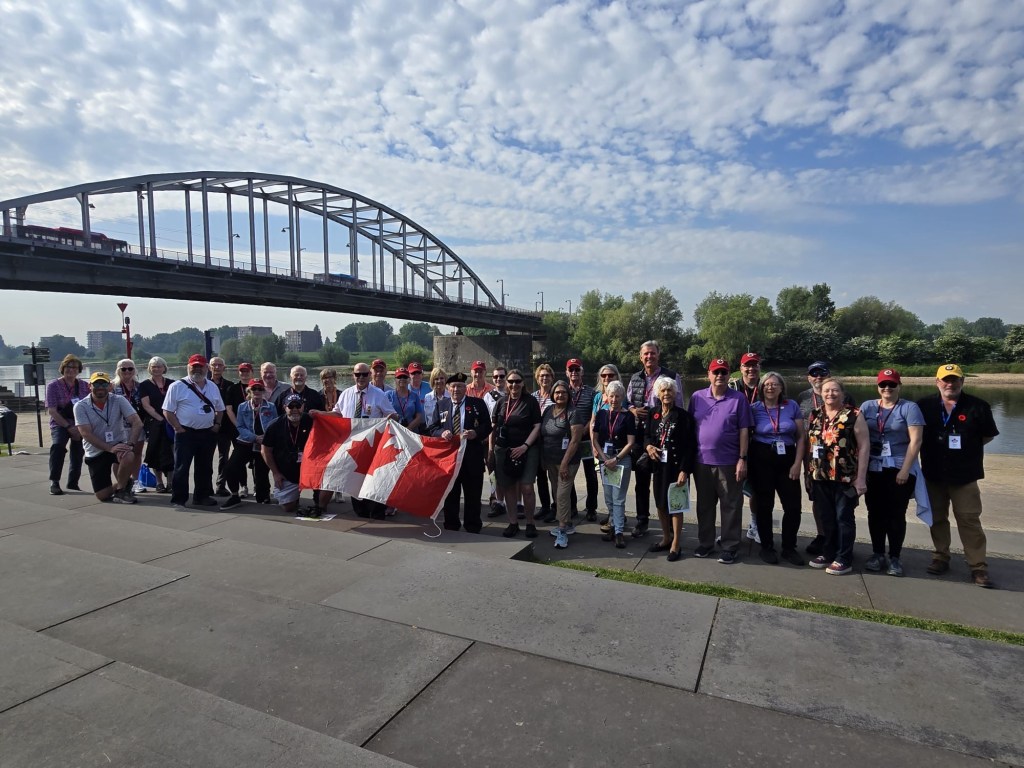
Our first stop, the John Frost Bridge, was only five minutes away. The structure that now spans the Nederrijn (Lower Rhine) was opened in 1948 and in 1977 renamed John Frostburg (John Frost Bridge), after Major-General John Dutton Frost. This crossing was the final objective in Field Marshall Montgomery’s ill-fated Operation Market Garden that took place in September 1944. Had it succeeded the Allies hoped to push hard into the Ruhr valley, Germany’s industrial heartland, and end the war before Christmas. However as we know the crossing at Arnhem was “a bridge too far”.
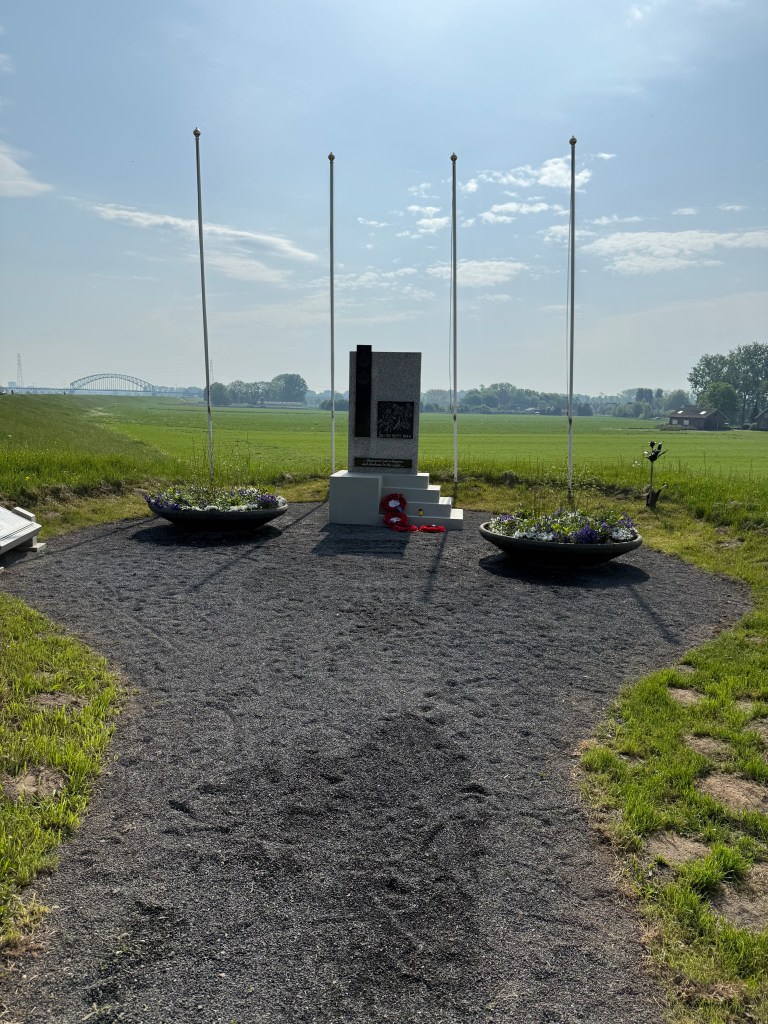
Although the Canadians were not involved in the airbourne or armoured operations, the Royal Canadian Engineers played a significant role in evacuating men trapped in and around Arnhem. Our second stop of the day, just outside DRIEL, paid tribute to the engineering companies that ferried 2,800 men, many of them wounded, across the river to safety.
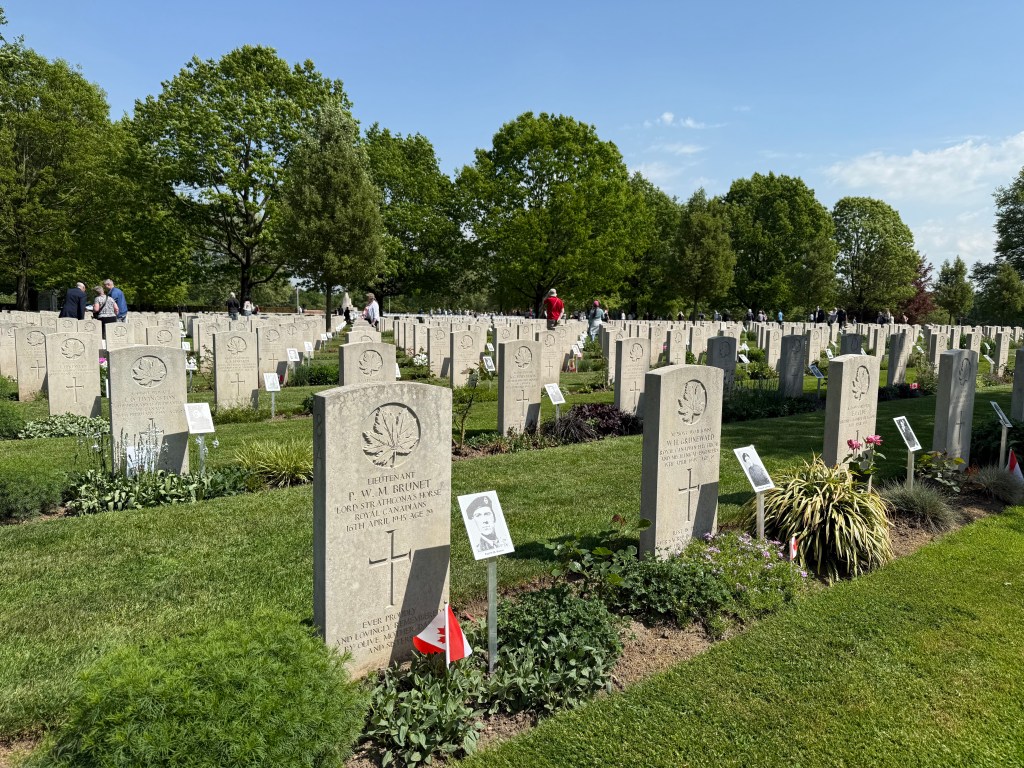
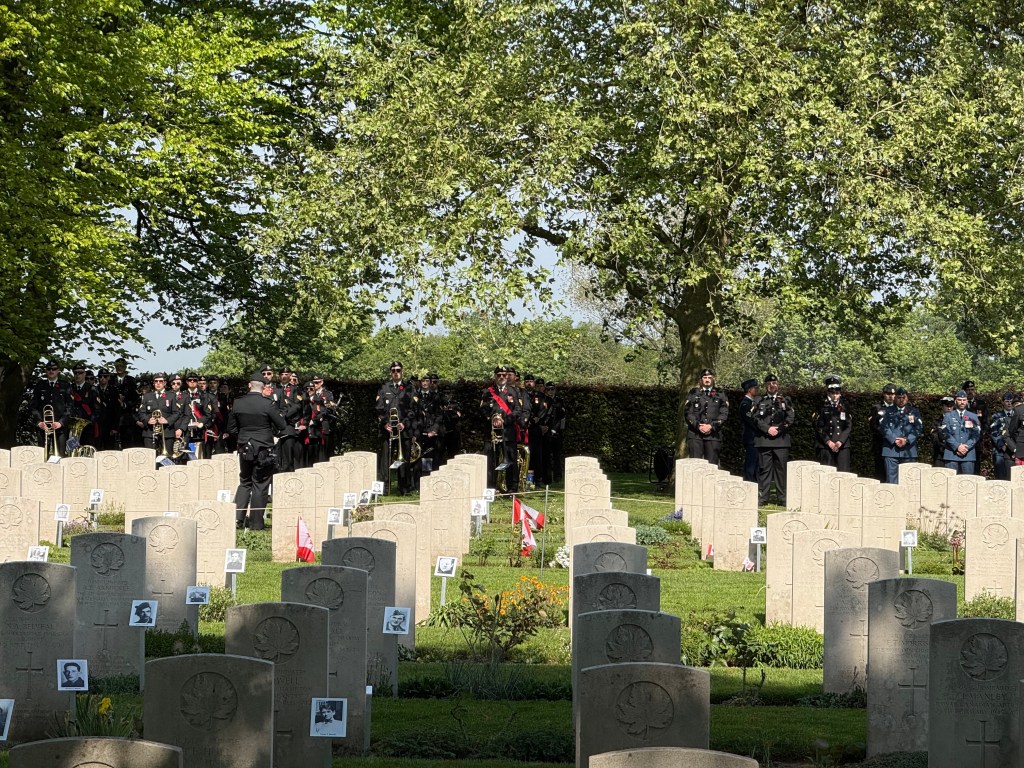
Our lunch stop was just outside GROESBEEK, where we were joined by three other Liberation Tours groups, all of whom were on a 17-day trip that began in Paris. We were together to attend the commemorative ceremony for the Faces to Graves project at Groesbeek Canadian War Cemetery (which was broadcast live by the CBC).
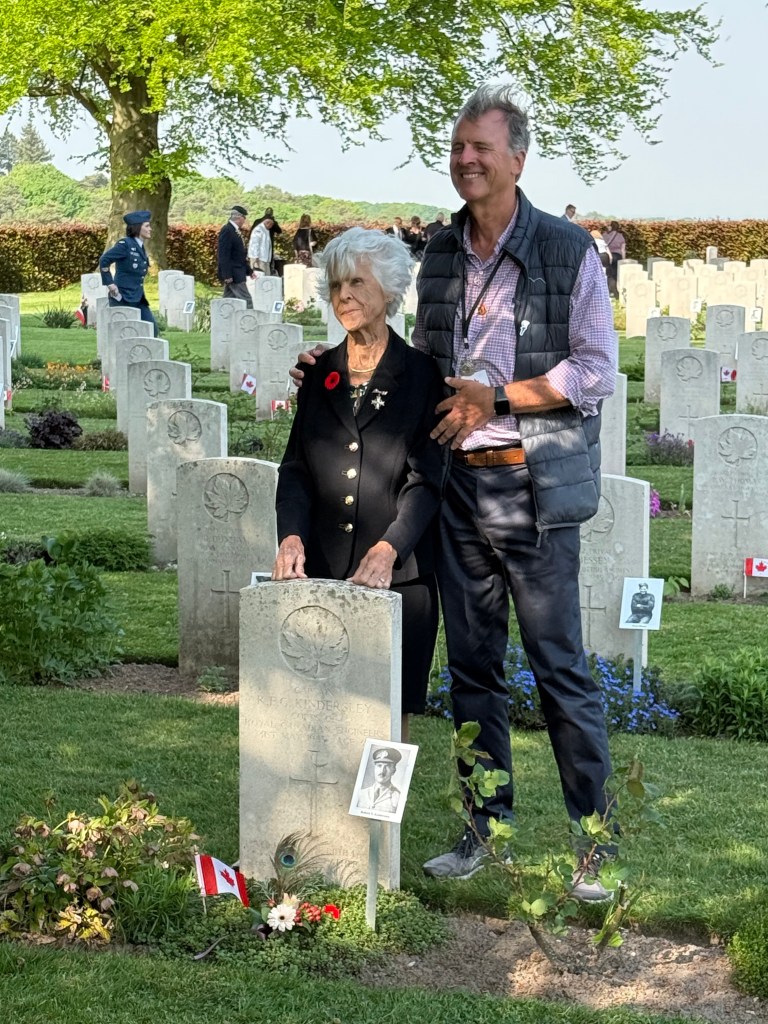
It was a special event, especially for three members of Coach Avercamp. Barbara Wood’s father Robert Kindersley died on May 31, 1945 and is buried here. She and her son Nick took part in a ceremony to place a photo on his grave. Prior to the ceremony Barbara was interviewed by the CBC’s Chris Brown. Michael Myatt and Janice Leidl-Myatt had the opportunity to visit the grave of Michael’s uncle, Howard Reginald Myatt, who was KIA on January 23, 1945 while on patrol less than two kilometers from this cemetery. I too visited a grave, my partner’s grandfather W.H. Grunewald died on April 15, 1945 while repairing armoured vehicles on a road 8km north of Arnhem. It was, for all, a memorable and very moving day.
Day 5 – Rha, Zutphen and a return visit to Groesbeek
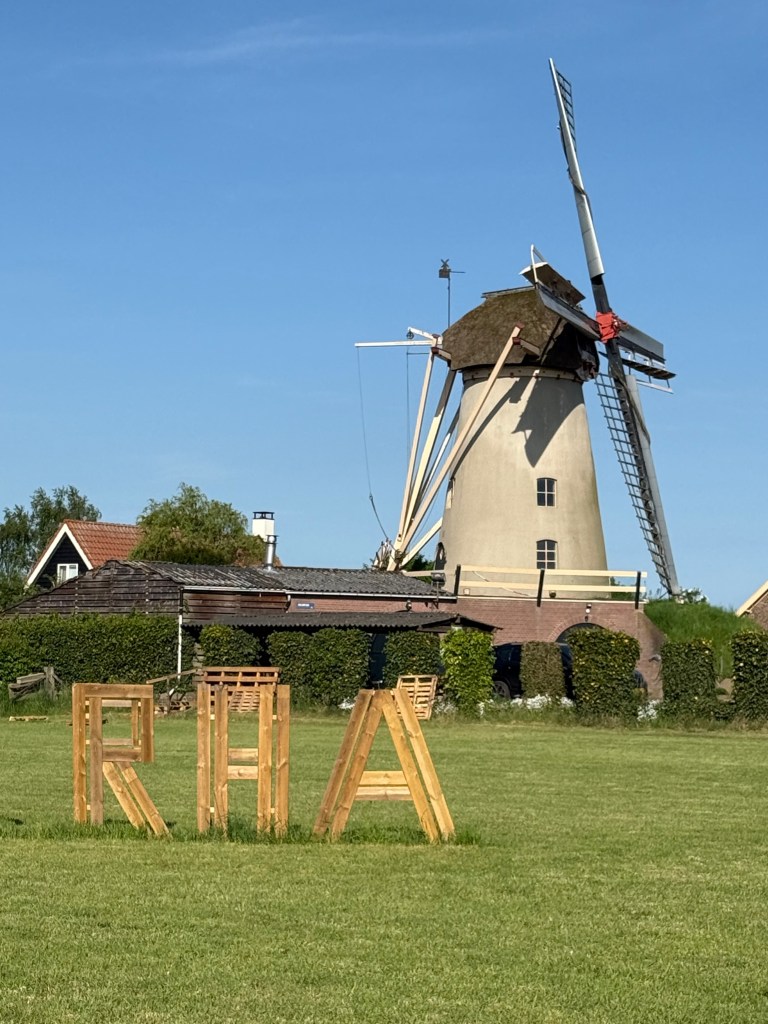
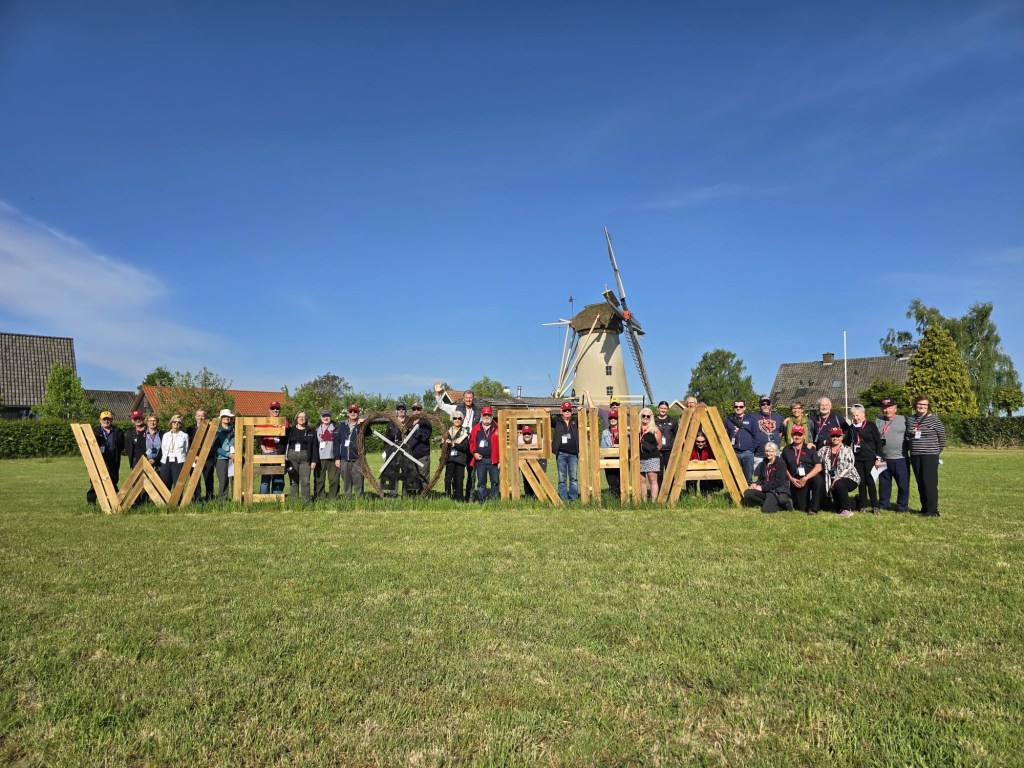
This morning we headed north to the hamlet of RHA, to visit a monument commemorating the Queen’s Own Rifles. Within minutes of our coach pulling up the neighbouring farmer and his son, who donated the land for the memorial, were on hand to raise the Canadian, Dutch and QOR flags (flag raising videos courtesy of Peter de Ryck).
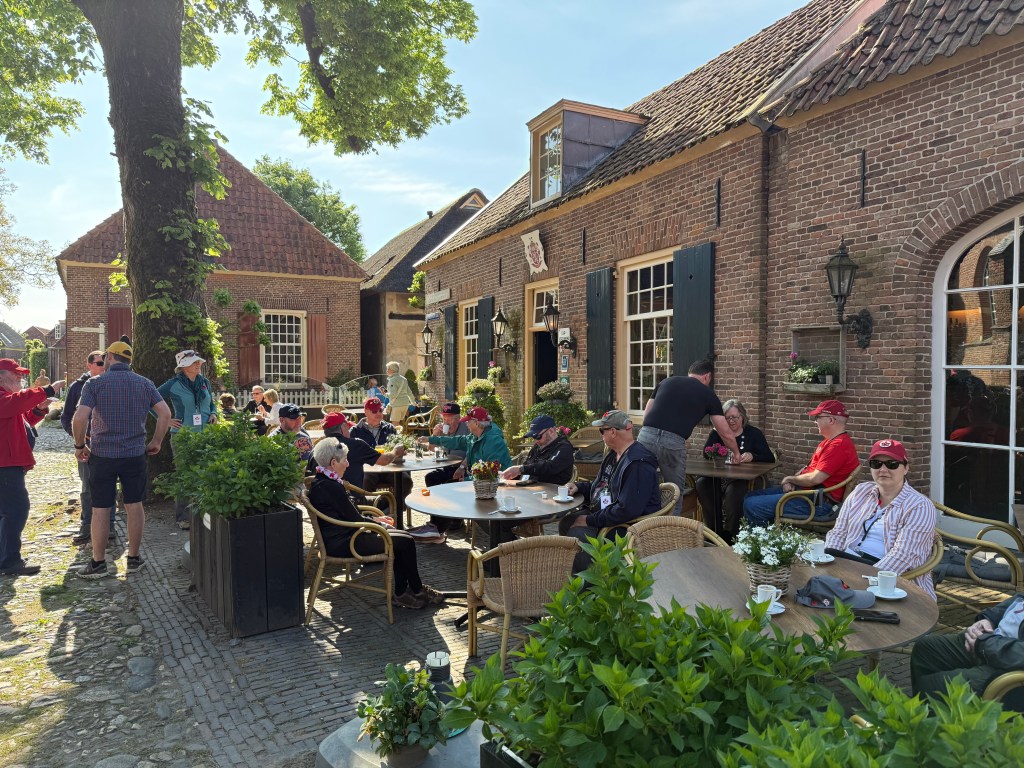
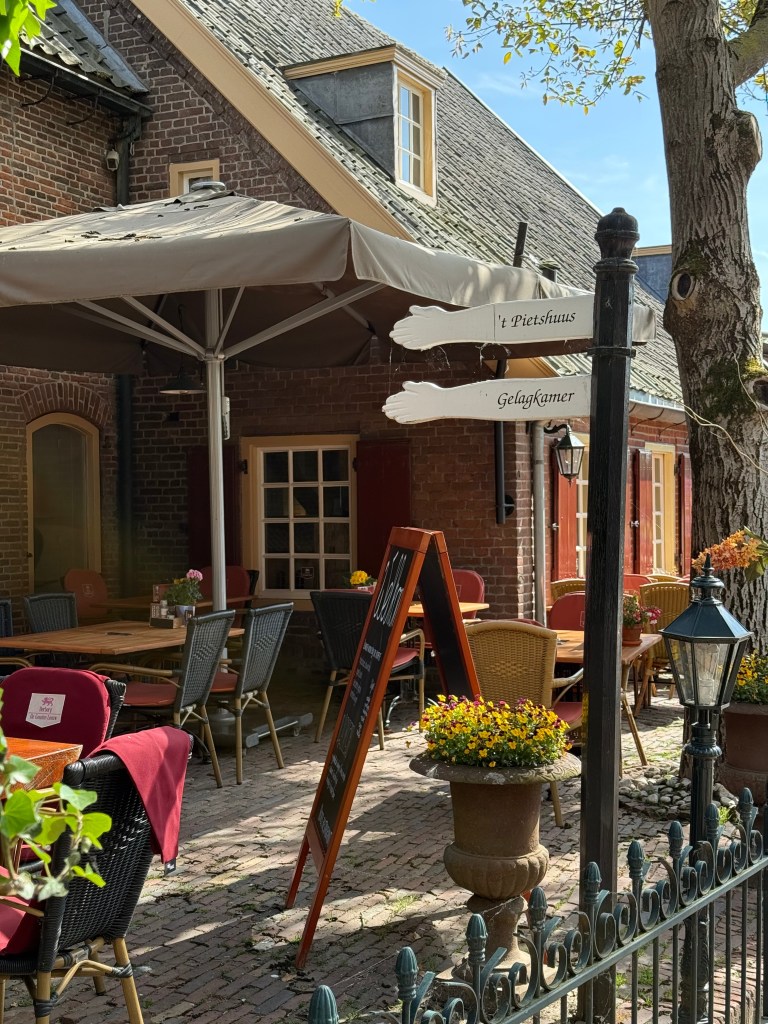
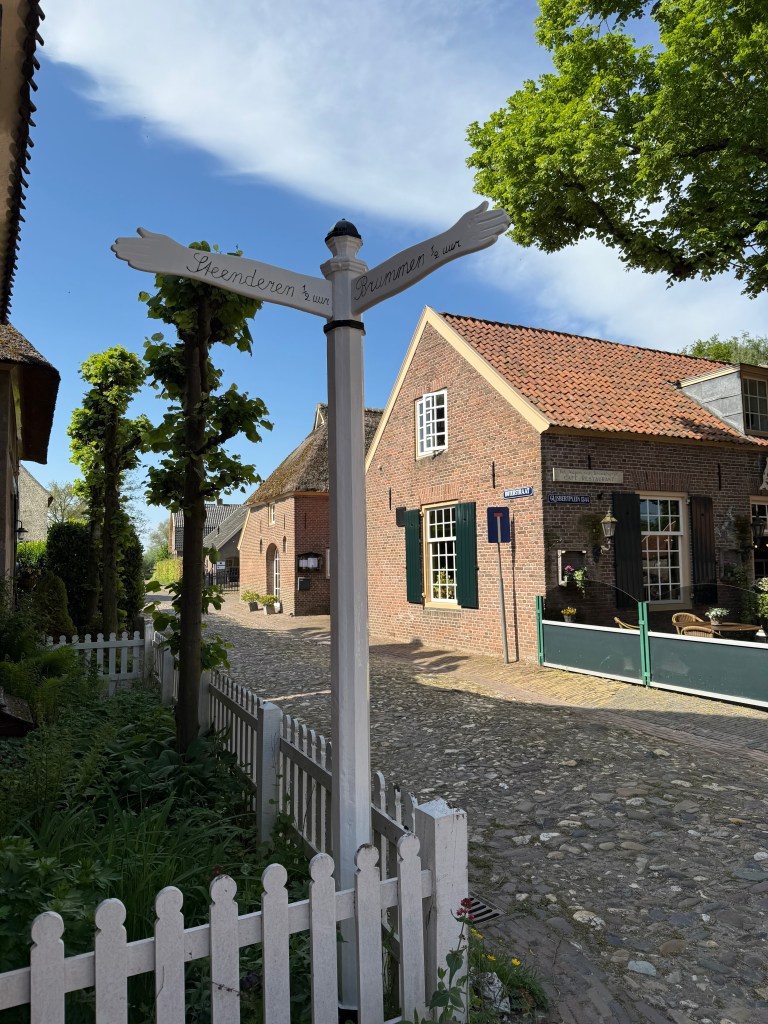
A short drive away was the village of BRONKHORST, our coffee stop and in my opinion one of the most picturesque villages I’ve ever visited (and this is coming from someone who used to run walking tours in England’s Cotswolds).
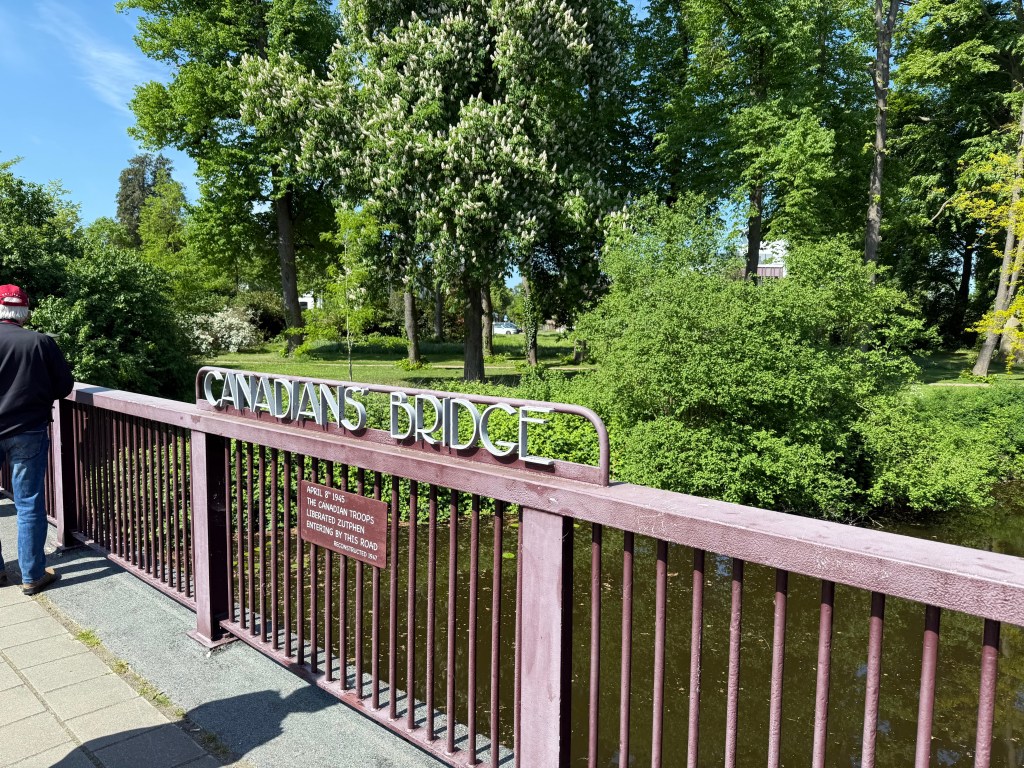
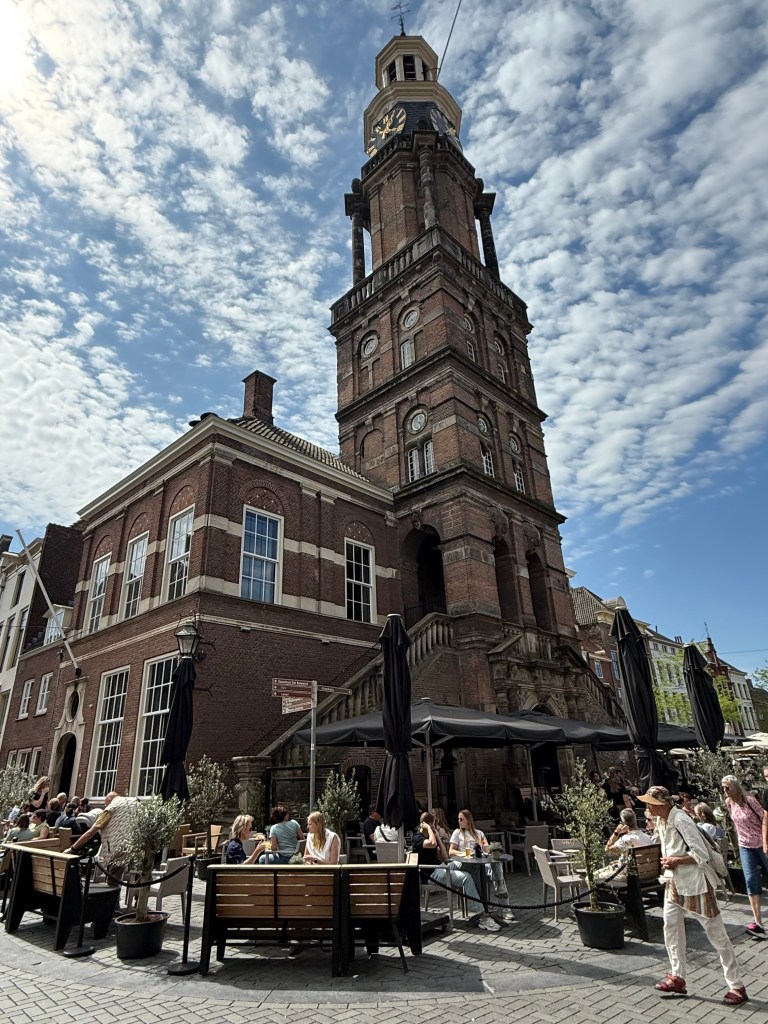
Further north we visited ZUTPHEN, a beautiful city today, but in early April 1945 the Canadians encountered fanatical Nazi resistance here. In the thick of it was the North Shore (New Brunswick) Regiment, who were forced to cross a canal after the bridge had been blown. We discussed the battle that took place here while stood just below the reconstructed Canadians‘ Bridge.
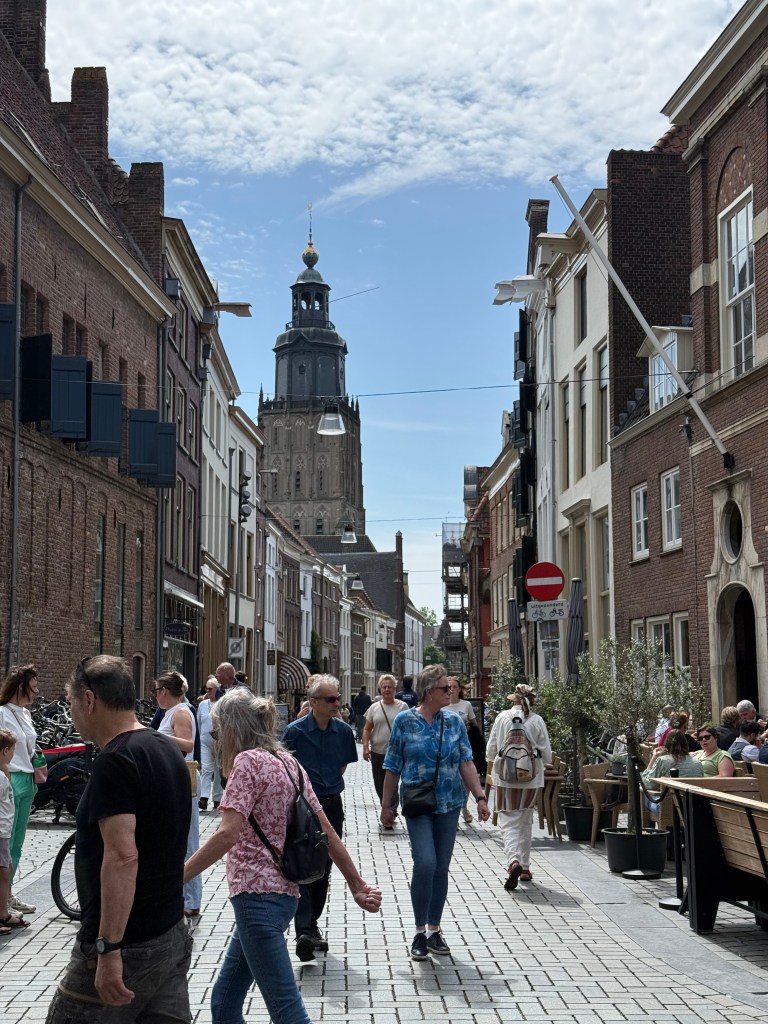
Everyone was then given a couple of hours to explore the ancient city before we boarded our coach and headed south, at one point briefly crossing into Germany. Although we didn’t stop in the Rhineland I had, over the past couple of days, delivered several briefs detailing Operations Veritable, Blockbuster, Plunder and Varsity.
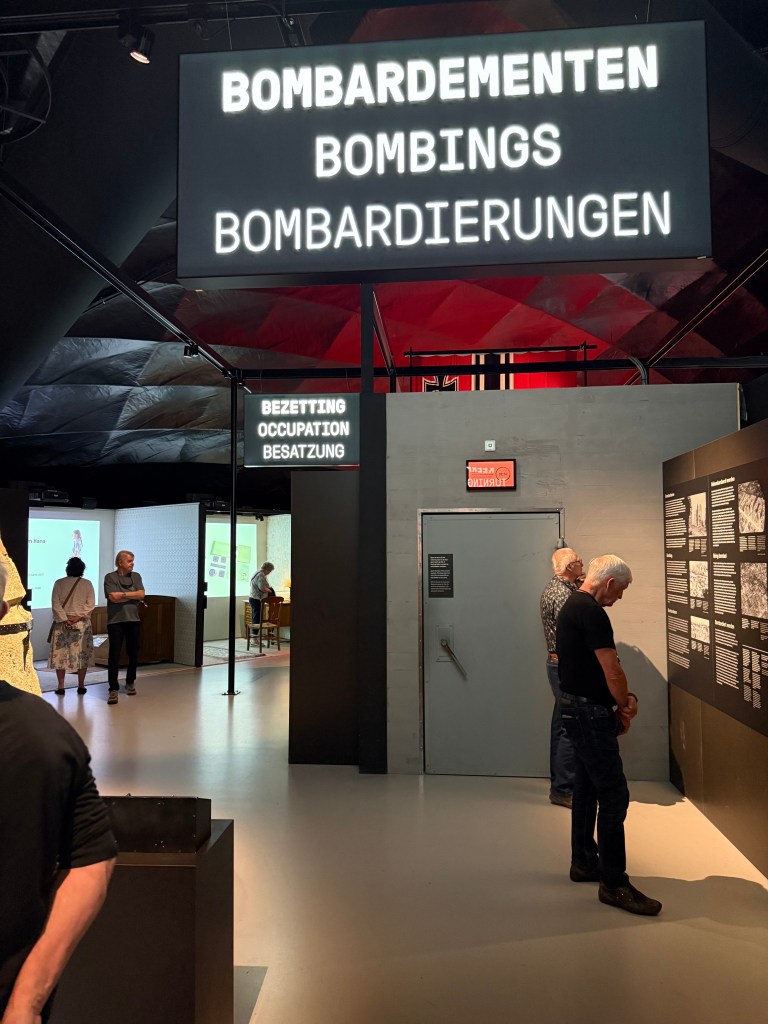
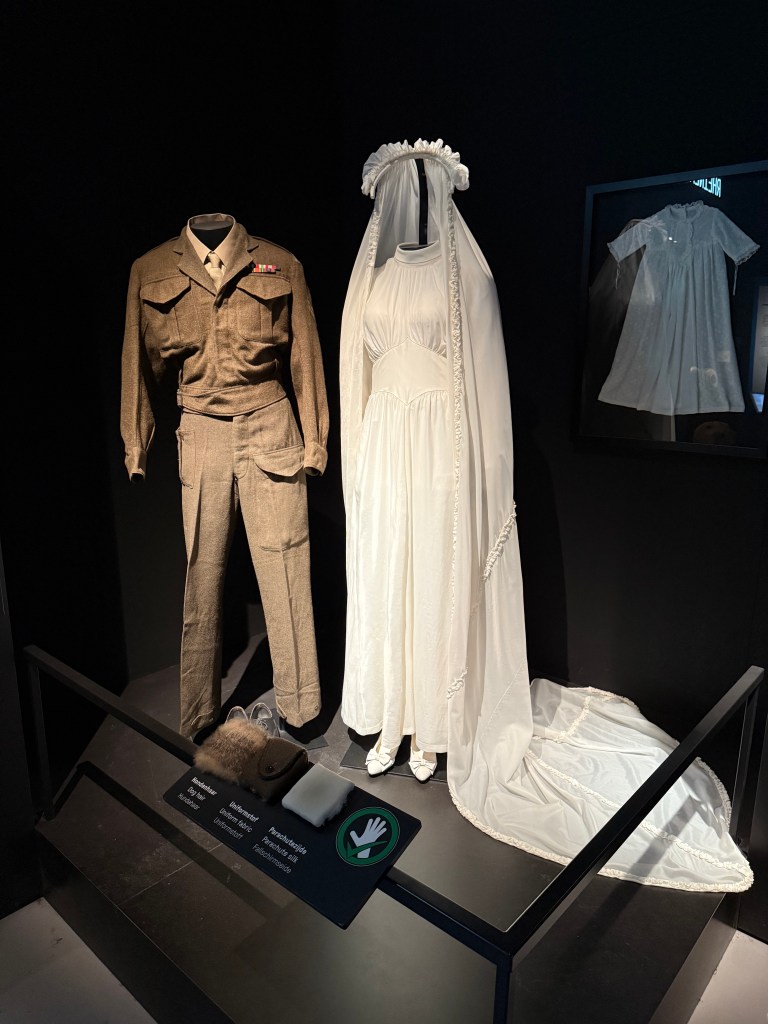
Our final destination of the day was the excellent Vrijheidsmuseum (Freedom Museum) at Groesbeek.
Day 6 – The official Remembrance Day commemorations at Holten Canadian War Cemetery
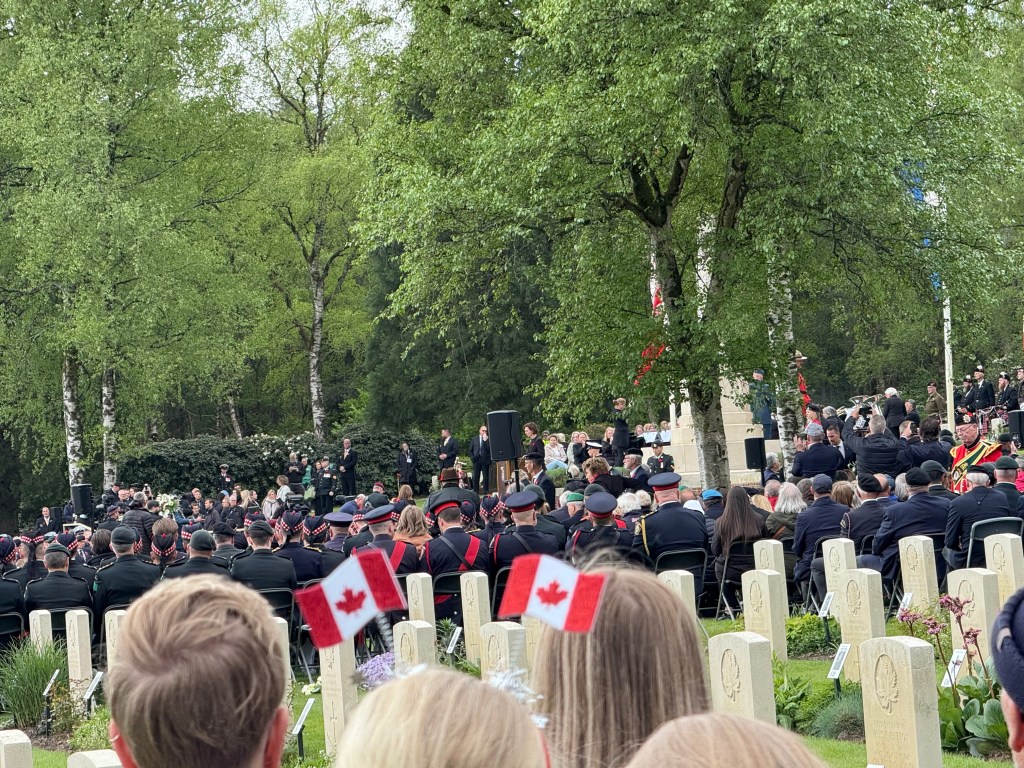
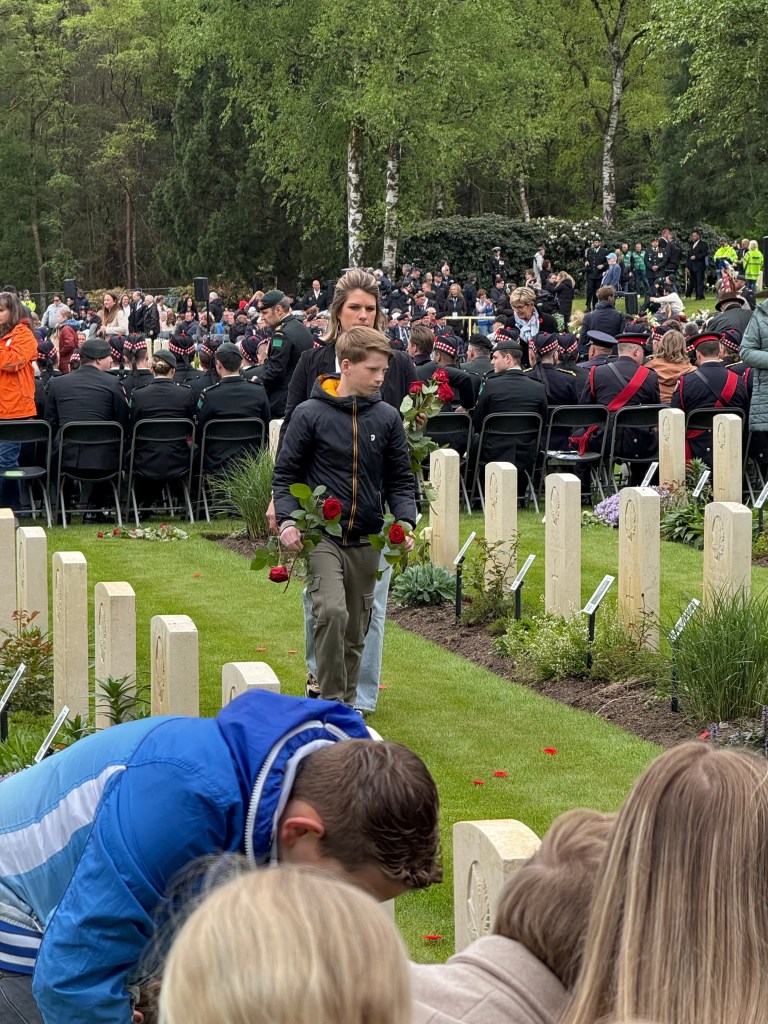
Today, Sunday May 4, was Remembrance Day in the Netherlands and we were invited to participate in the official ceremony at the Holten Canadian War Cemetery. On hand were Her Royal Highness Princess Margriet, the Governor-General of Canada Mary Simon, Prime Minister of the Netherlands Dick Schoof, hundreds of Canadian Forces personnel and thousands of Dutch and Canadian citizens.
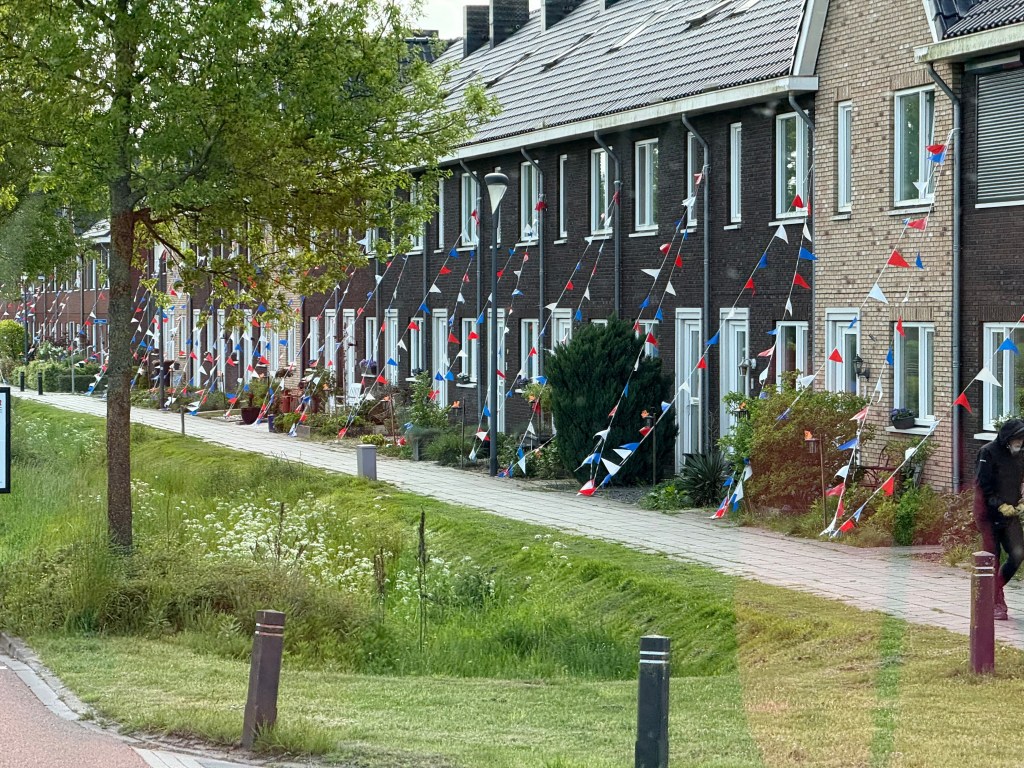
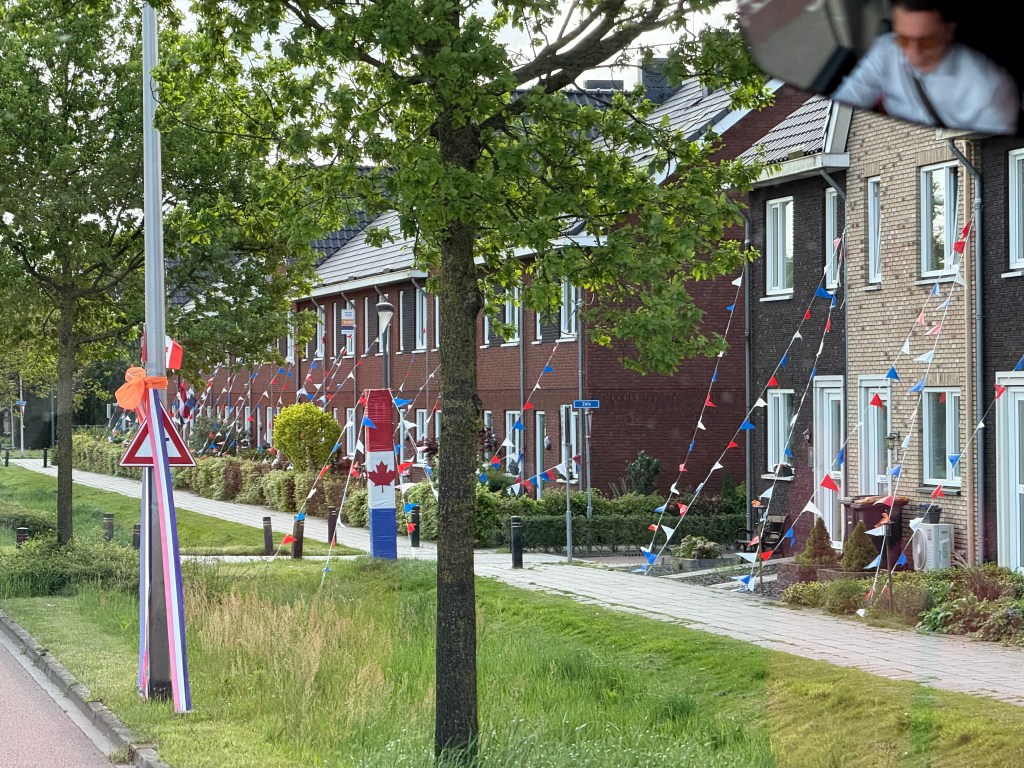
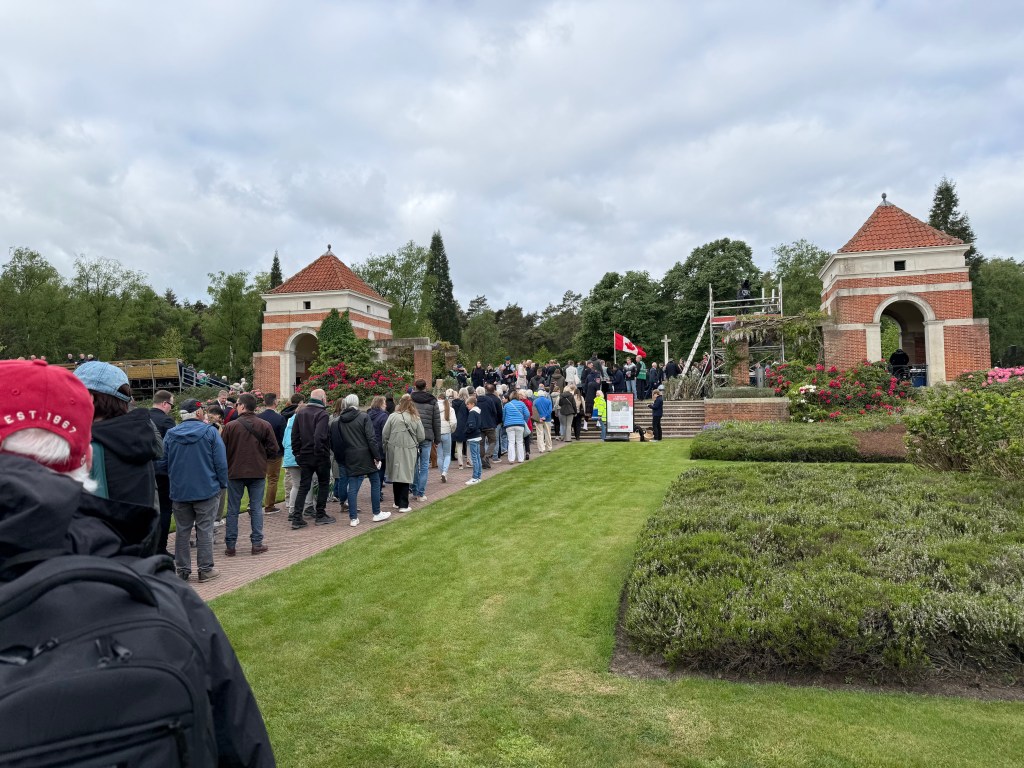
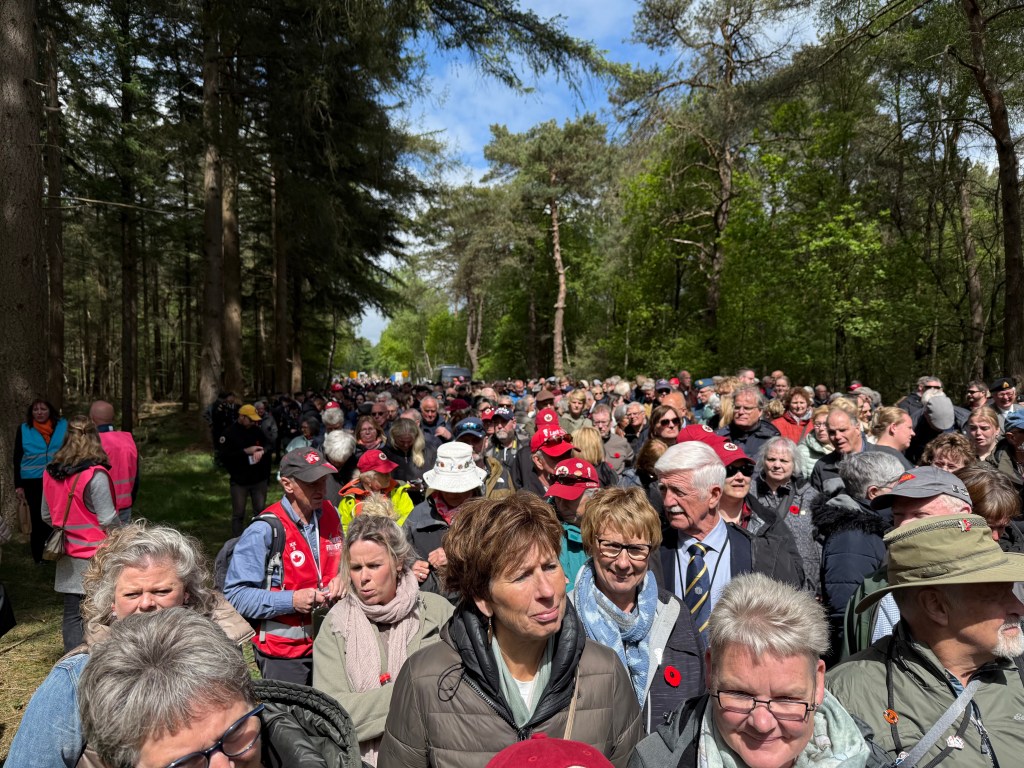
Access was tightly controlled and we were marshalled into a holding area on the outskirts of Holten before being led through the town towards the cemetery. And there was no doubt the citizens of HOLTEN knew we coming as the route was festooned with Canadian and Dutch flags, and signs that read “We’ll never forget”.
Despite the crowds there were enough chairs for everyone, neatly arranged alongside the 1,383 Canadian graves. Three of our participants had relatives buried here and were given the honour of laying a wreath on behalf of Liberation Tours. Steven Olivieri was remembering his uncle Ronald Olivieri who served with the 48th Highlanders of Canada and died during the battle for GRONINGEN. Donna Palmer and Janet Ward were remembering their uncle Roy Ivenson Thackeray who served with the Stormont, Dundas & Glengarry Highlanders and died during the operation to liberate LEER.
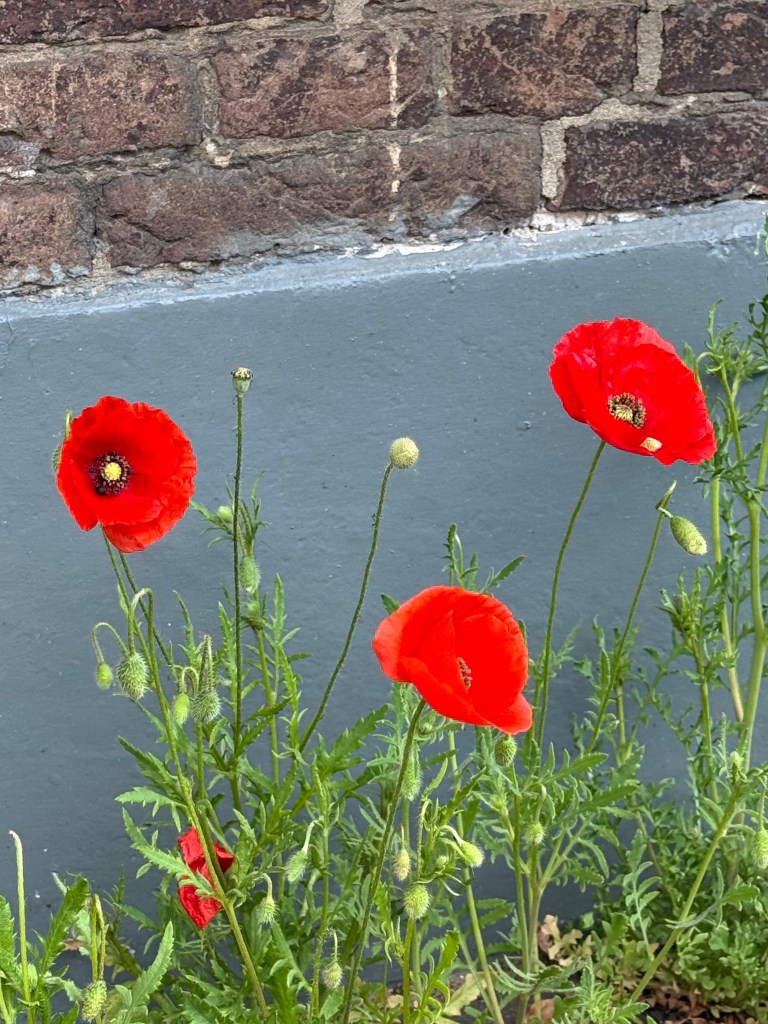
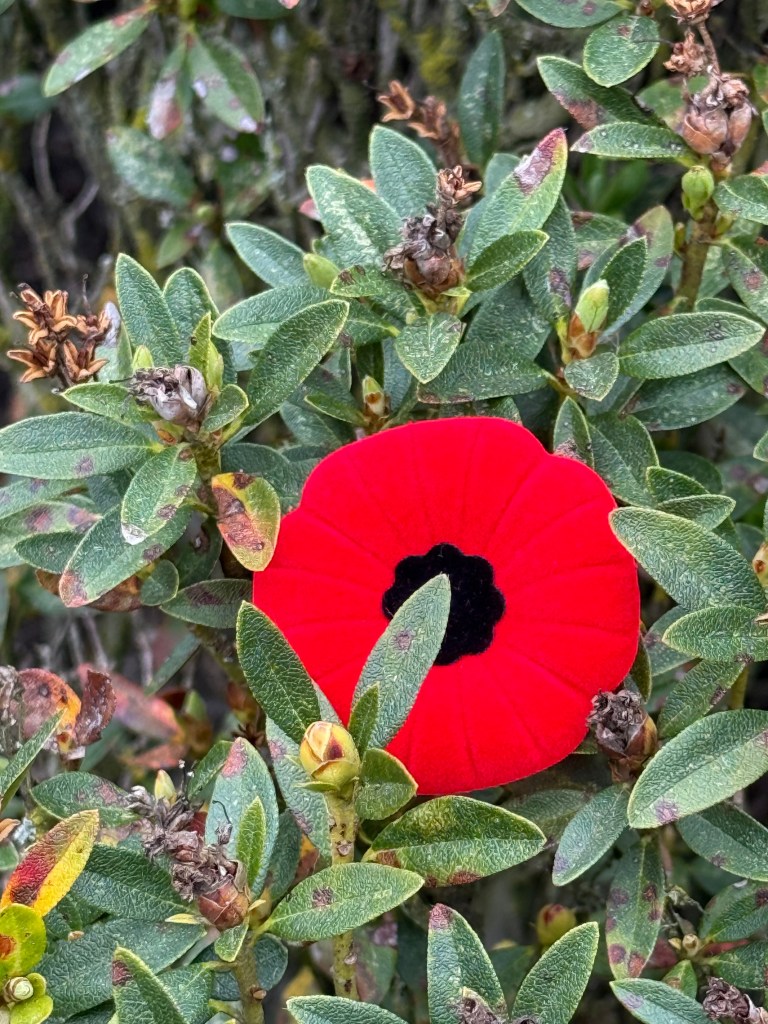
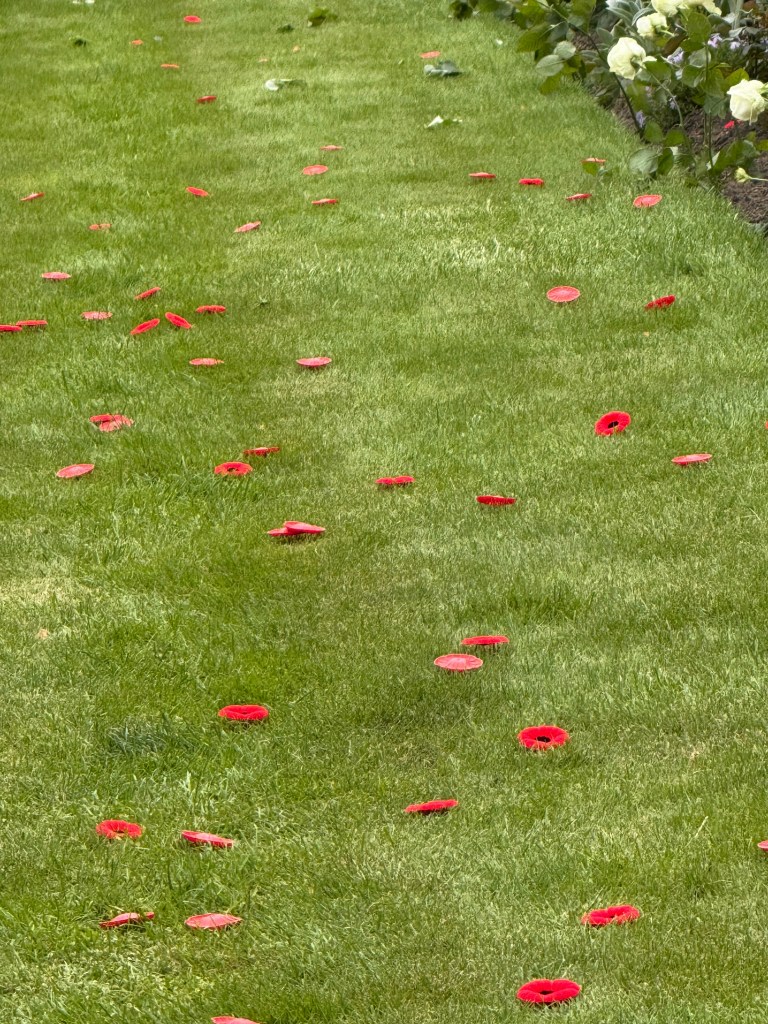
Among the highlights was the ceremony in which local schoolchildren placed two roses on each grave and read the name of the soldier aloud. And if you’ve never experienced a poppy drop … I highly recommend it.
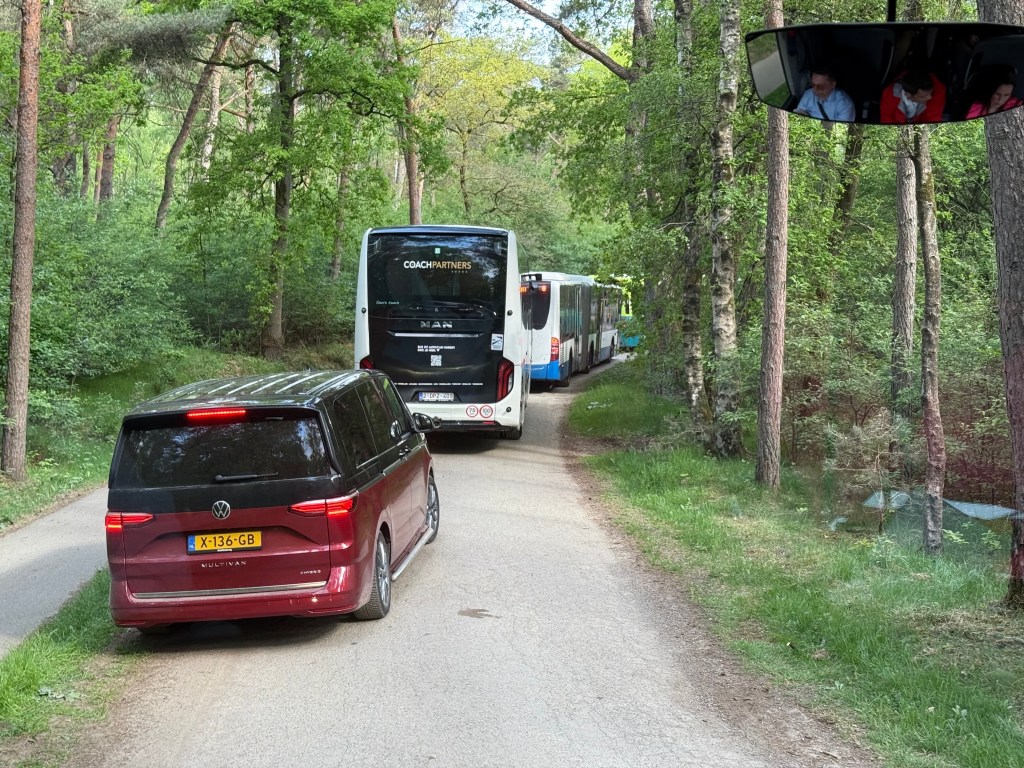
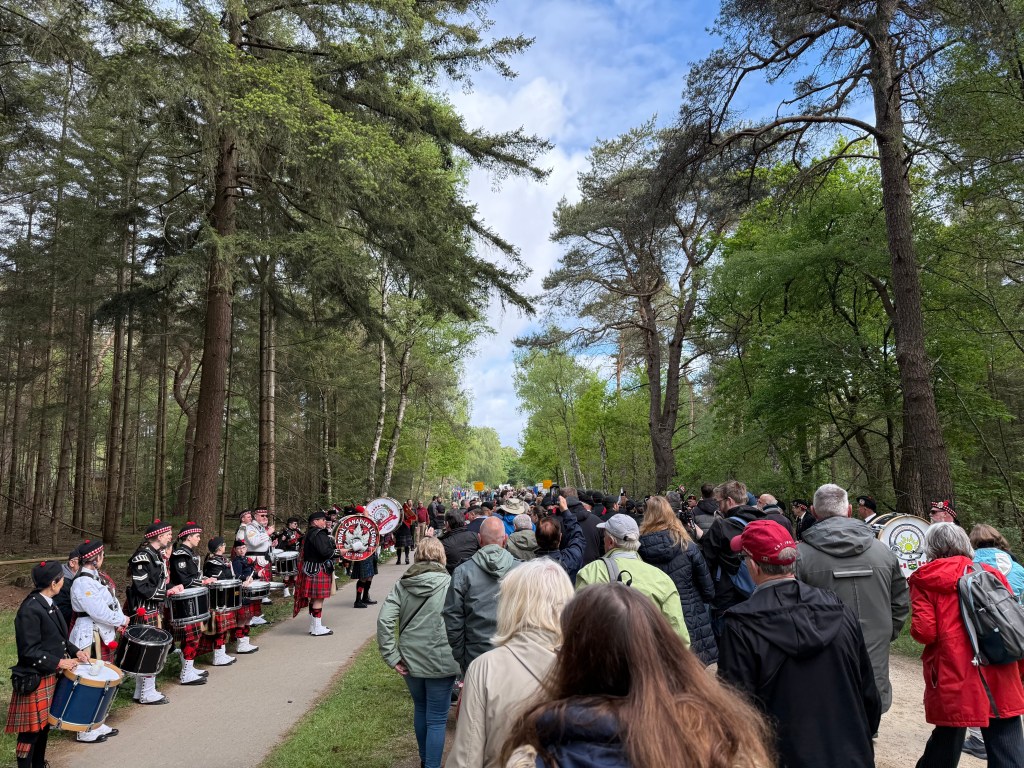
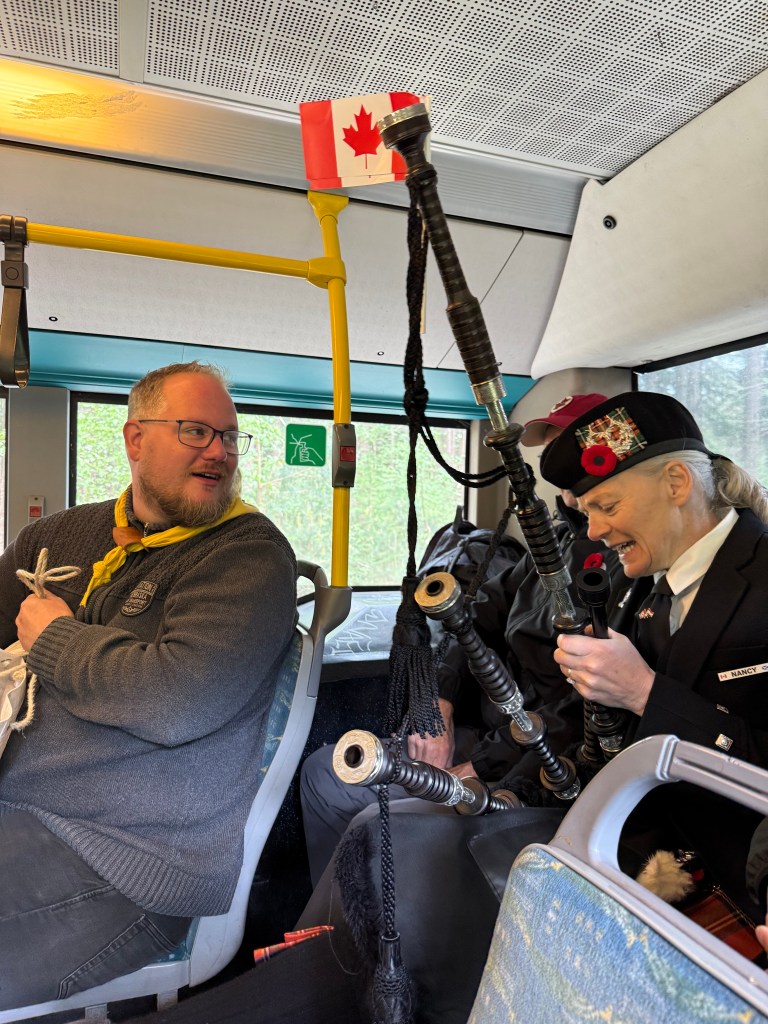
When the commemorations concluded the large crowd walked along the forest road to a long line of transit buses that would transport everyone to the dozens of coaches lined up just outside of Holten. Initially it seemed a bit chaotic however the system worked well and gave us the opportunity to share a bus with local citizens, a Boy Scout troop and even a Pipe Band.
In the afternoon all four Liberation Tours coaches gathered for a farewell luncheon; our final opportunity to share a meal together, enjoy a few drinks and deliver the final briefing of the tour. Once back in Arnhem, Coach Avercamp kept the conversation going (there were two birthdays to celebrate after all) with a visit to one of the many cafe/restaurants a few minutes walk from our hotel. However, at exactly 8pm the music was turned off, hats were removed and many stood to observe two minutes of silence.
Day 7 & 8 – Amsterdam and home
This morning we bade farewell to Arnhem and made our way to Amsterdam where everyone had a free day to explore this wonderful city. By late afternoon, after checking in to our hotel, many gathered for drinks at the bar on the 17th floor.
Some of our participants would be flying home tomorrow morning while others were headed to other destinations on the continent or in Britain. It has been a very enjoyable and memorable eight days spent in the Netherlands, collectively remembering those who served for Canada in the fight to liberate Europe.
In Part 3 I’ll share highlights from three days Mat and I spent exploring First World War sites in France and Flanders aboard Coach Rembrandt, prior to our Netherlands tour.
Categories: CWGC, Netherlands, Remembrance, Second World War, Travel
 Doing Our Bit